


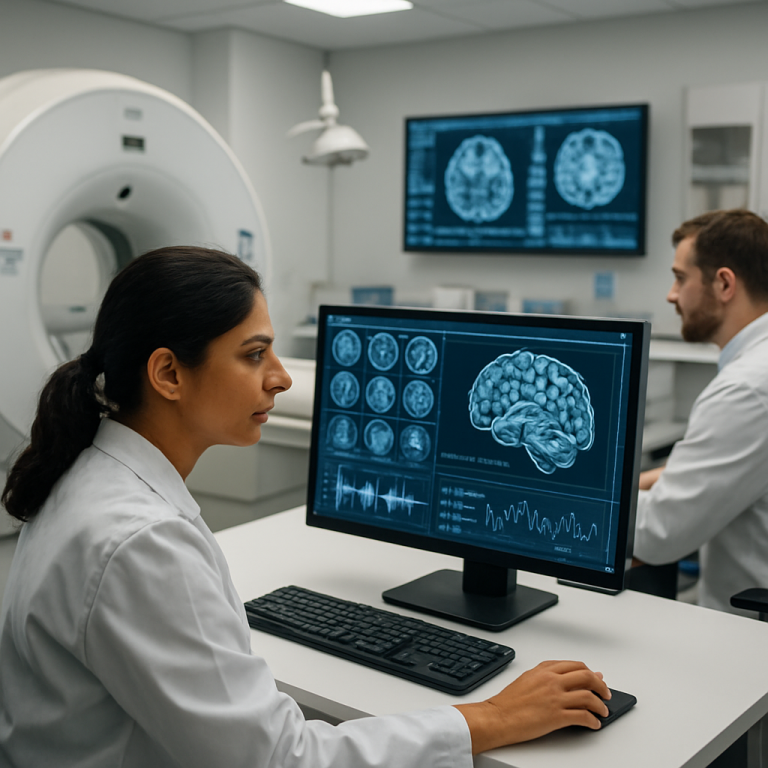
The Nobel Prize in Physiology or Medicine has been awarded to American and German researchers for their groundbreaking work in optogenetics, a technique that enables precise control of brain cells using light. This innovative method has revolutionized neuroscience by allowing scientists to better understand brain functions and neurological disorders. The recognition highlights the growing importance of interdisciplinary approaches combining genetics, optics, and neurobiology. Their achievement sets a new benchmark for future research in brain science and medical treatments.
Meanwhile, the Nobel Prize announcements continue this week with laureates in physics, chemistry, literature, peace, and economics scheduled to be revealed. These prestigious awards honor exceptional contributions across diverse fields, reflecting global advancements in science, culture, and humanitarian efforts. The Nobel committee’s selections often influence research priorities and public awareness worldwide. Observers eagerly anticipate which discoveries and achievements will be recognized next.
In a significant development, the Nobel Prizes serve as a catalyst for innovation and international collaboration, inspiring scientists, writers, and leaders to push boundaries. The spotlight on optogenetics underscores the transformative potential of cutting-edge technologies in medicine. As the week progresses, the announcements will continue to celebrate excellence and impact across disciplines, shaping the future trajectory of knowledge and progress globally.
















Leave an opinion