


Afghan Taliban Foreign Minister Amir Khan Muttaqi stated on Monday that the challenges straining relations between Afghanistan and Pakistan can be addressed through diplomatic engagement and dialogue. This statement comes amid heightened tensions following a series of Pakistani military strikes inside Afghan territory.
Speaking at an event in Russia, Muttaqi criticized Pakistan for prioritizing military actions over political dialogue, accusing Islamabad of violating international laws through aggressive operations. He further alleged that Pakistan has exploited transit routes, refugees, and students as leverage while amassing thousands of armed personnel near the border, threatening regional stability.
Muttaqi emphasized that Afghanistan does not wish for the dispute with Pakistan to devolve into a cycle of mutual accusations or propaganda, nor does it seek to prolong the conflict. However, he affirmed Kabul’s right to self-defense against any acts of aggression, describing it as legitimate and indisputable.
Meanwhile, Pakistan’s foreign ministry, military, and Prime Minister’s Office have not issued immediate responses to these remarks.
The recent escalation has been fueled by Islamabad’s accusations that the Afghan Taliban government is harboring the banned Tehreek-i-Taliban Pakistan (TTP), which allegedly uses Afghan soil to launch attacks within Pakistan. The Taliban administration denies these claims, maintaining that militancy in Pakistan is an internal issue.
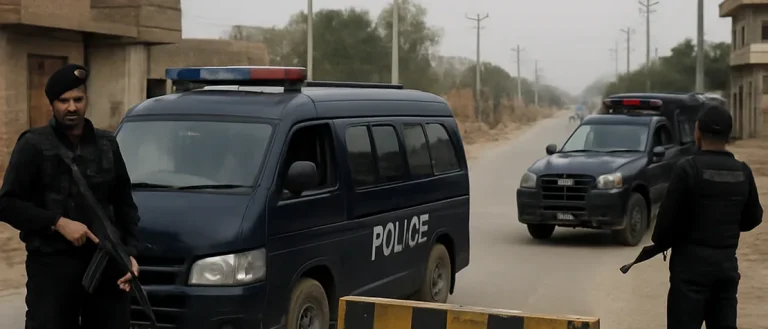
In recent weeks, Pakistan has conducted multiple airstrikes targeting what it describes as militant hideouts and terrorist infrastructure inside Afghanistan. On October 1, Islamabad reported carrying out “well-planned and calibrated” strikes at two Afghan locations, claiming to have killed 22 terrorists. Afghanistan, however, condemned the attacks, stating that civilians, including women and children, were among the casualties in Kunar and Helmand provinces.
This October operation followed a broader surge in military actions during September. On September 24, Pakistan launched precision aerial and drone strikes at ten sites across Kandahar, Paktia, and Khost provinces, responding to drone attacks originating from Afghan territory. Pakistan asserted that these targets were linked to attempted assaults on its soil, while Afghan officials reported four civilian deaths.
Earlier, on September 21, Pakistan conducted airstrikes against alleged terrorist camps in Kunar and Paktika provinces, claiming 28 militants were killed. Afghan authorities again reported civilian casualties. These strikes were in retaliation to deadly attacks in Pakistan’s Khyber Pakhtunkhwa region.
Pakistan maintains that its operations are intelligence-driven, aimed at dismantling militant camps and infrastructure used by groups responsible for attacks within its borders. Islamabad has persistently urged Kabul to eliminate terrorist sanctuaries, especially those associated with the TTP.
The Taliban government has consistently rejected Pakistan’s allegations, condemning the strikes as violations of Afghan sovereignty. Both sides have traded accusations involving cross-border drone attacks, shelling, and militant infiltration.
The dispute over the TTP remains a core issue since the Taliban regained power in Afghanistan in 2021. Pakistan reports an increase in TTP attacks and claims the group finds refuge in Afghanistan, while Kabul denies these assertions.






Leave an opinion