


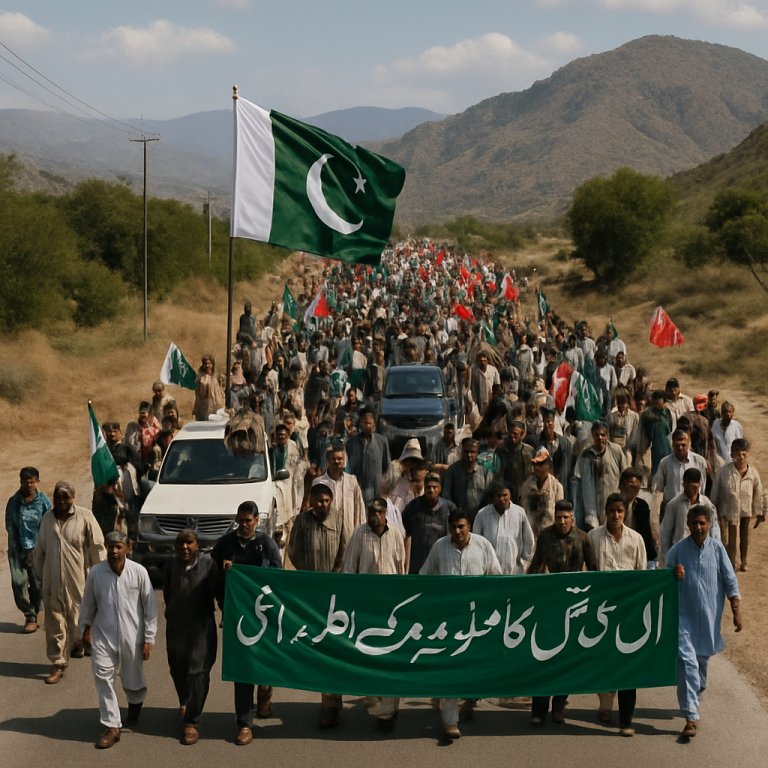
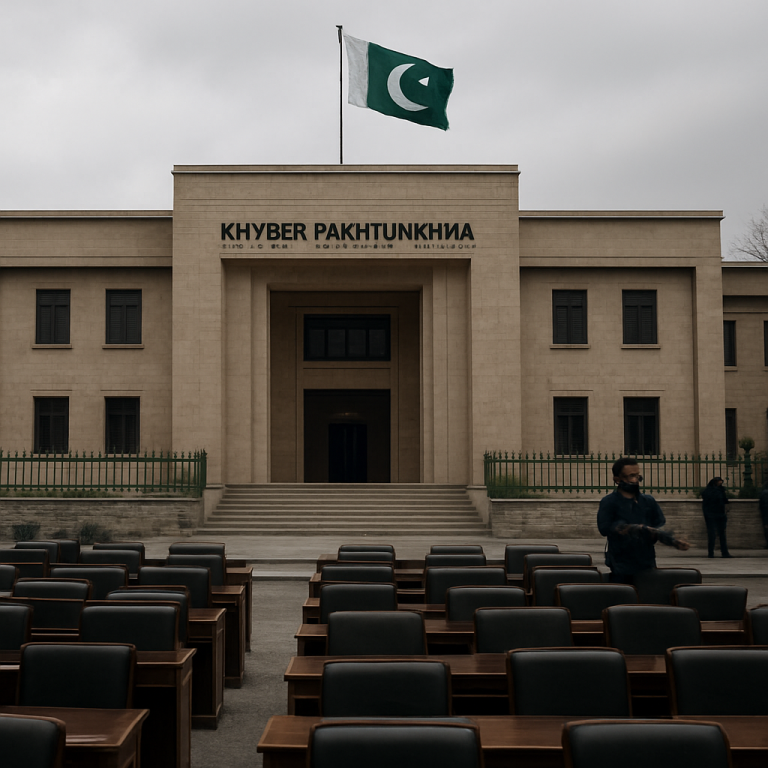
Supporters of former Prime Minister Imran Khan, who is currently incarcerated, have initiated a large-scale rally moving from northwest Pakistan towards the capital, Islamabad. This mobilization comes in the wake of unsuccessful negotiations between Khan’s faction and the current government, signaling heightened political tensions. The march aims to demonstrate public backing for Khan and press for his release or political concessions. Such mass gatherings have historically played a significant role in Pakistan’s political landscape, often influencing government decisions and public discourse.
In a significant development, this rally underscores the deep divisions within Pakistan’s political environment, where Imran Khan’s Pakistan Tehreek-e-Insaf (PTI) party continues to command substantial grassroots support despite his imprisonment. The failure of talks has escalated the confrontation between Khan’s supporters and the ruling administration, raising concerns about potential unrest. The march towards Islamabad is expected to attract thousands, reflecting the persistent volatility and the high stakes involved in Pakistan’s ongoing political struggle.
Meanwhile, the government faces the challenge of managing this large-scale protest while maintaining law and order in the capital. The rally’s progression will be closely watched by national and international observers, as it could impact Pakistan’s political stability and governance. The outcome of this event may also influence future negotiations and the broader democratic process in the country, highlighting the critical role of public demonstrations in shaping Pakistan’s political trajectory.





Leave an opinion