

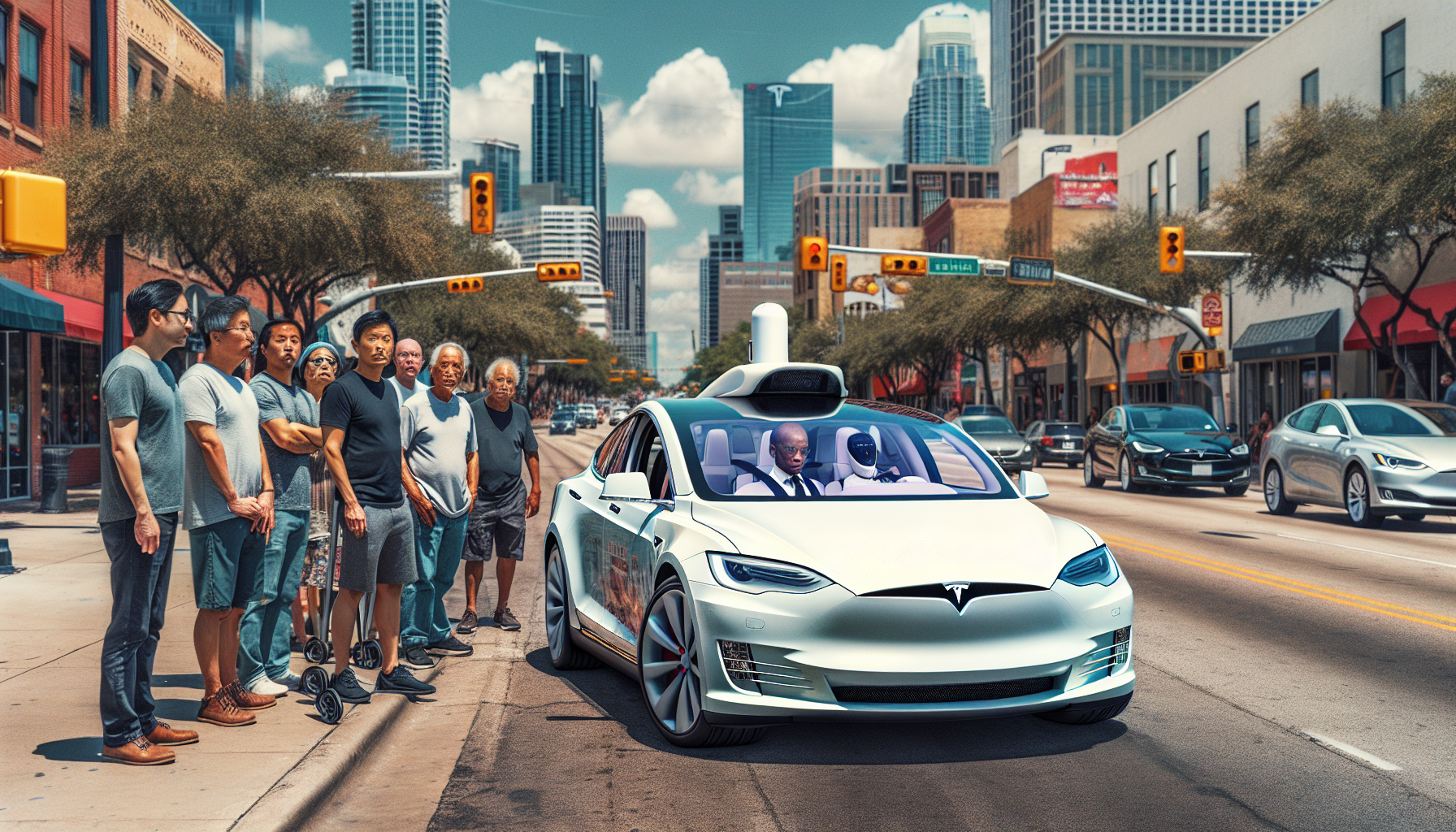
Tesla has initiated the rollout of its highly anticipated robotaxi service in Texas, aiming to revolutionize urban transportation with autonomous vehicles. However, the launch is currently marked by extensive wait times, reflecting the complexities involved in deploying self-driving technology at scale. These delays underscore the technical and regulatory hurdles Tesla must overcome to meet consumer demand and operational efficiency.
In a significant development for the autonomous vehicle industry, Tesla’s robotaxi service represents a major step toward commercializing driverless ride-hailing. The company’s ambitious plans to leverage its Full Self-Driving (FSD) software have generated considerable excitement, but the extended wait times reveal the challenges in real-world application. This situation also highlights the broader industry struggle to balance innovation with safety and reliability standards.
Meanwhile, the Texas market serves as a critical testing ground due to its size and diverse driving conditions, which are essential for refining Tesla’s autonomous systems. The outcome of this rollout could influence regulatory approaches and public acceptance of robotaxis nationwide. As Tesla continues to address these operational delays, the success of its robotaxi service could significantly impact the future landscape of urban mobility and autonomous transportation technology.
