

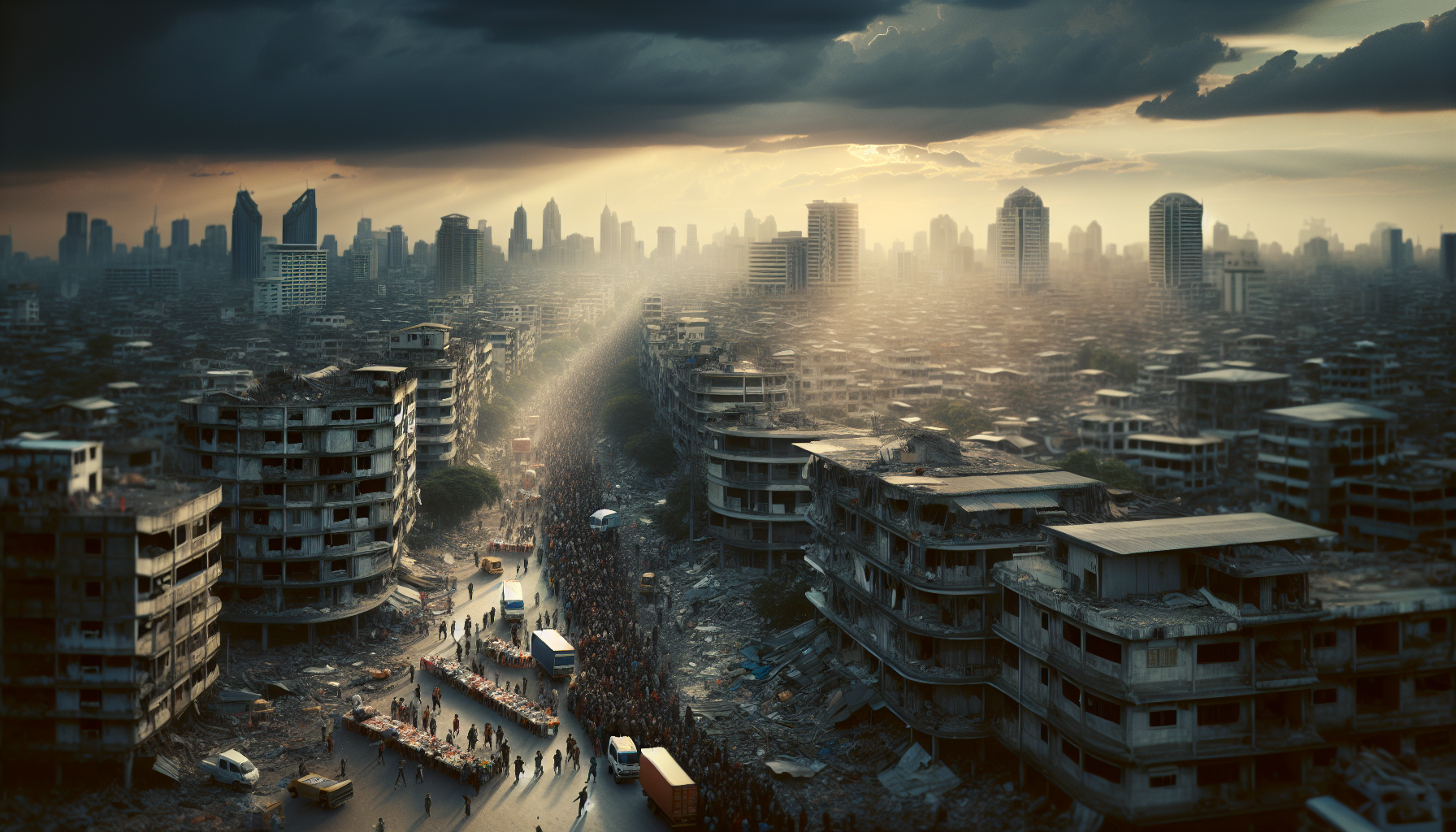
The ongoing crisis in Sudan has escalated beyond initial assessments, with the humanitarian situation deteriorating rapidly even in Khartoum, the capital city where active combat has ceased. Despite the relative calm in terms of armed conflict, residents continue to suffer from shortages of essential supplies such as food, water, and medical care. The disruption of infrastructure and services has compounded the challenges faced by civilians, leaving many vulnerable to disease and malnutrition.
In a significant development, aid organizations have reported that the lack of access to basic necessities is causing widespread distress among the population. The cessation of fighting in Khartoum has not translated into immediate relief, as logistical hurdles and security concerns hamper the delivery of humanitarian assistance. This situation underscores the complexity of post-conflict recovery and the urgent need for coordinated international support to prevent further deterioration.
Meanwhile, the crisis in Sudan reflects broader regional instability and highlights the fragility of peace efforts in conflict zones. The prolonged humanitarian emergency threatens to undermine social cohesion and economic stability, potentially leading to long-term consequences for the country and its neighbors. Addressing these challenges requires sustained commitment from global actors to facilitate aid delivery and support reconstruction initiatives.
