

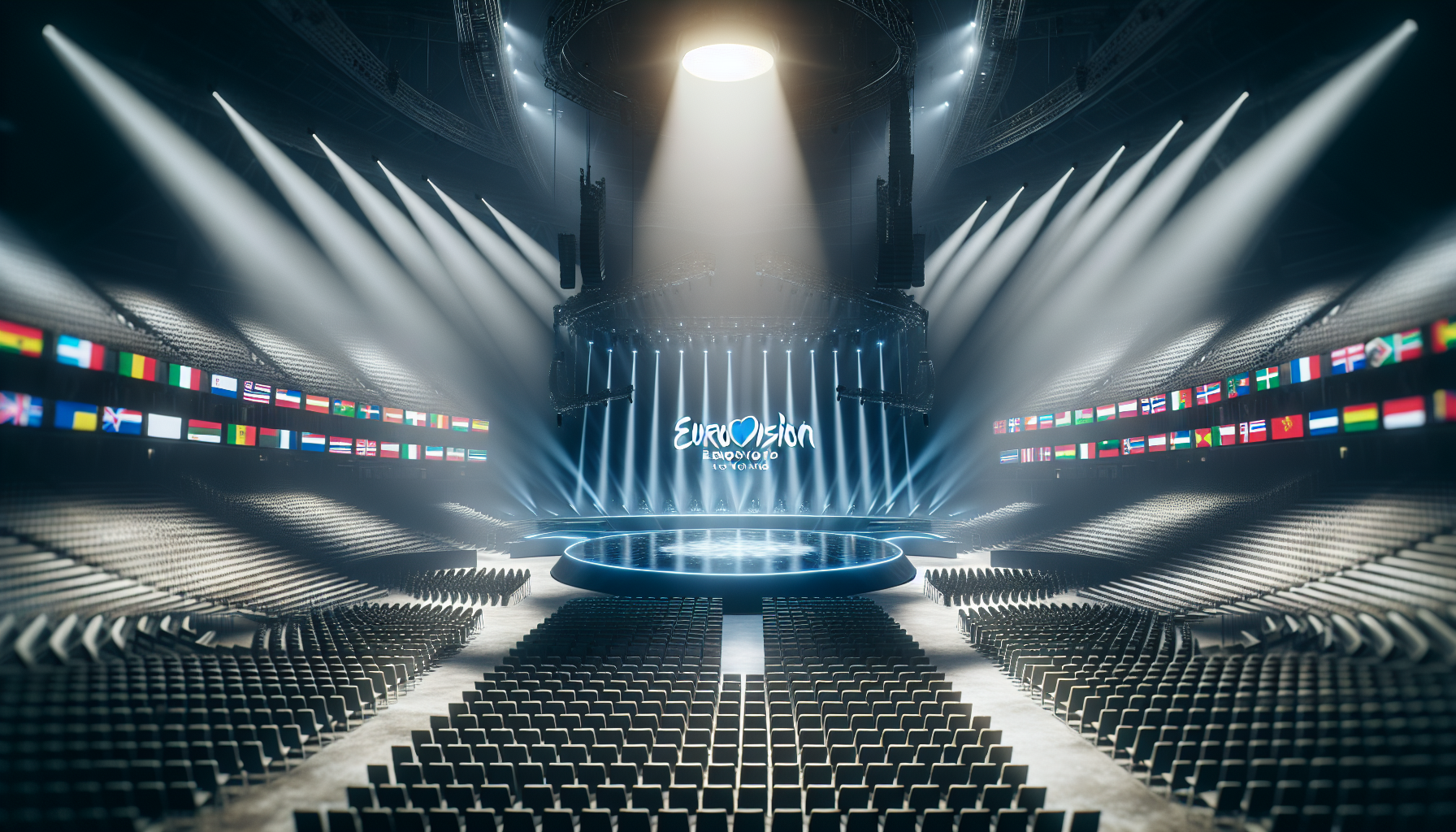
Eurovision, the iconic European song contest known for its celebration of cultural diversity and unity, is currently experiencing its most significant boycott in 70 years. This unprecedented withdrawal of participants and viewers stems from growing controversies surrounding Israel’s involvement in the competition. The boycott has sparked intense debate about the political implications of the event and its role as a platform for international cooperation through music.
Historically, Eurovision has been a symbol of peace and togetherness, bringing together countries from across Europe and beyond to compete in a friendly, artistic environment. However, the recent fallout highlights how geopolitical tensions can infiltrate even cultural events, challenging the contest’s foundational ideals. The boycott not only affects the competition’s immediate proceedings but also threatens to alter its structure and reputation in the long term.
In a significant development, organizers and stakeholders are now facing pressure to address the underlying issues that led to this crisis. The outcome of these discussions could redefine Eurovision’s identity and influence its ability to serve as a unifying force in a politically fragmented world. Meanwhile, fans and participants alike are watching closely, aware that the contest’s future may hinge on how these challenges are managed.
