

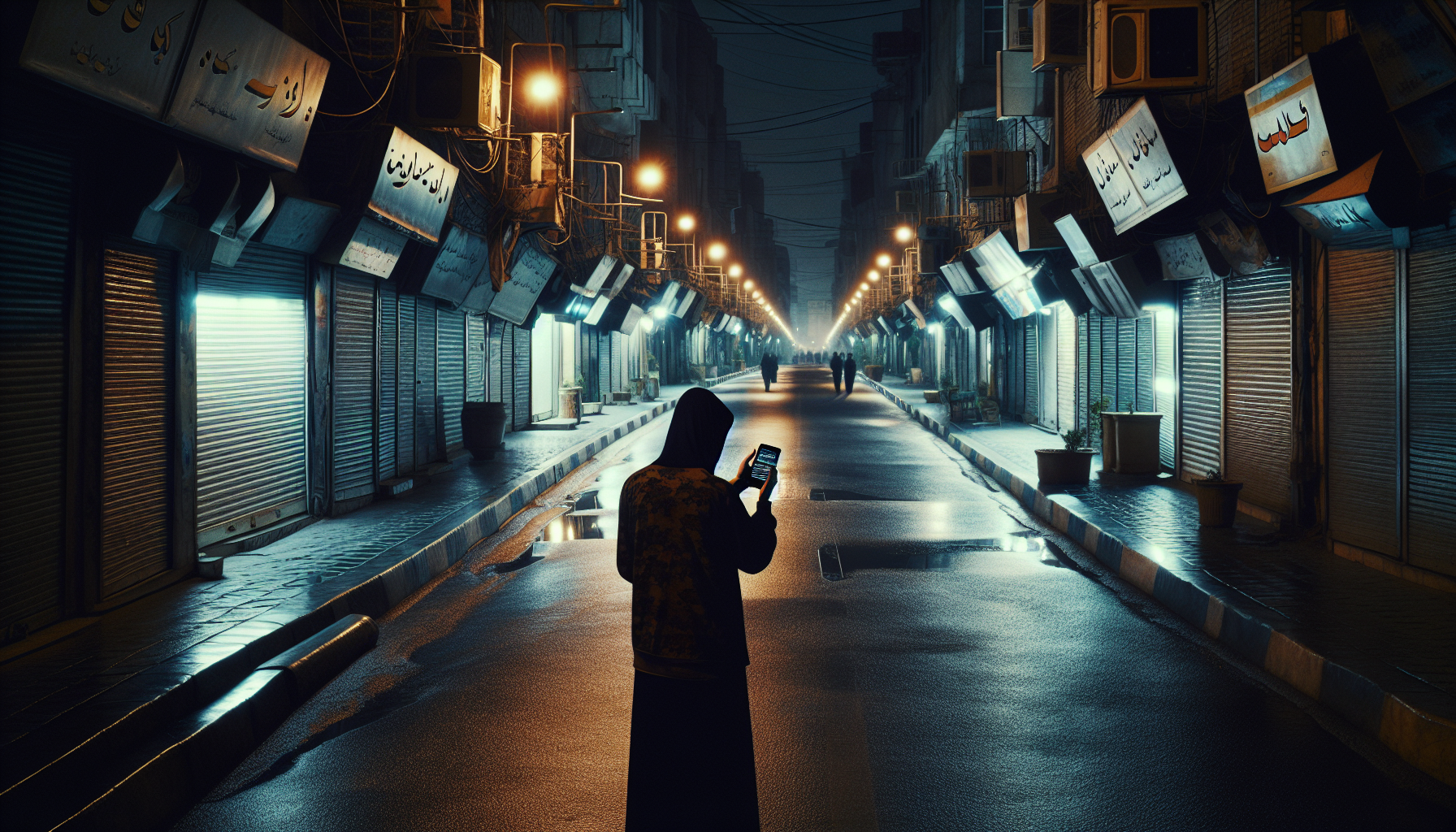
In a significant development, Iranian authorities have enforced a strict internet blackout across the country, severely limiting communication and access to information. This move comes amid escalating conflict and widespread government crackdowns, which have deeply affected the civilian population. Despite these restrictions, trusted intermediaries have managed to relay the voices of ordinary Iranians who are grappling with the harsh realities of war and repression. Their testimonies reveal the psychological and social toll inflicted by ongoing violence and state control.
Meanwhile, the internet ban has not only isolated Iran from the global digital community but also hindered humanitarian efforts and independent reporting. The government’s strategy appears aimed at controlling the narrative and suppressing dissent during a period of intense unrest. Civilians caught in this turmoil face challenges in accessing basic services and communicating with loved ones, exacerbating their sense of vulnerability. These conditions underscore the broader implications of information suppression in conflict zones.
Notably, the accounts from those inside Iran highlight the resilience of people under duress and the critical role of alternative communication channels in documenting human rights abuses. The international community remains attentive to these developments, recognizing the importance of supporting free flow of information and protecting civilians in conflict. The situation in Iran exemplifies the complex interplay between warfare, authoritarian governance, and the struggle for truth in the digital age.
