

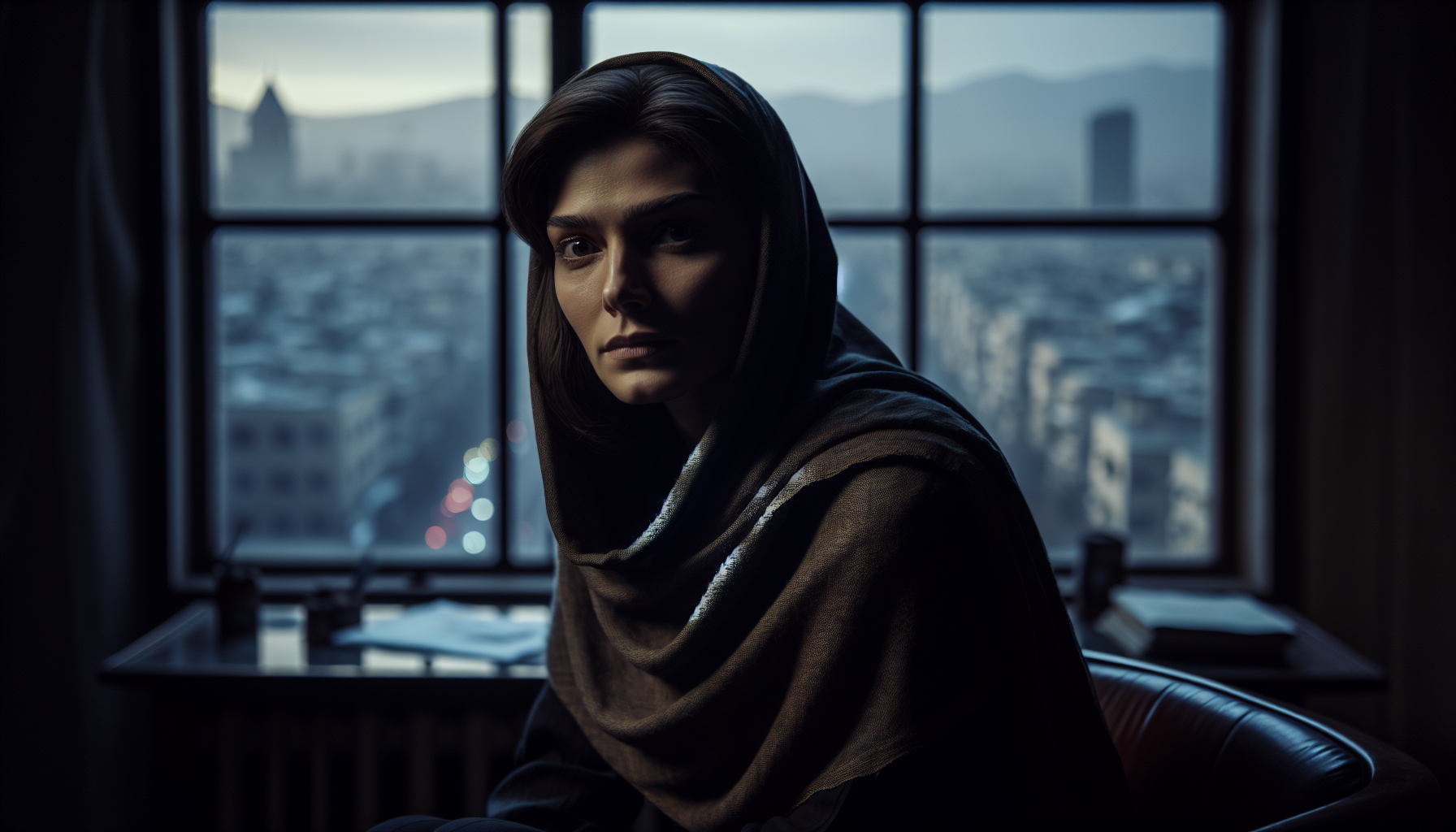
An Iranian activist based in Tehran has shared the profound emotional toll she endures due to the country’s oppressive political climate. She describes feeling overwhelmed by a sense of helplessness as the government continues to suppress dissent. This psychological pressure is compounded by the looming fear that war could reignite, intensifying the trauma experienced by many citizens. The activist’s testimony highlights the intersection of political repression and the anxiety of potential conflict, which together exacerbate mental health challenges in the region.
Iran has faced significant internal unrest in recent years, with activists and dissidents frequently targeted by authorities. The fear of escalating tensions with external forces adds another layer of uncertainty and distress for those advocating for change. Such conditions create a hostile environment where expressing opposition can lead to severe consequences, including imprisonment or worse. Meanwhile, the broader population grapples with the psychological impact of living under constant surveillance and threat.
In a significant development, the activist’s account sheds light on the human cost of political instability and the pervasive fear of war. This narrative underscores the urgent need for international attention to the mental health repercussions faced by individuals in repressive regimes. Notably, the combination of internal repression and external conflict fears creates a complex crisis that affects not only political freedoms but also the well-being of ordinary citizens. The activist’s story serves as a poignant reminder of the resilience required to endure such challenging circumstances.
