

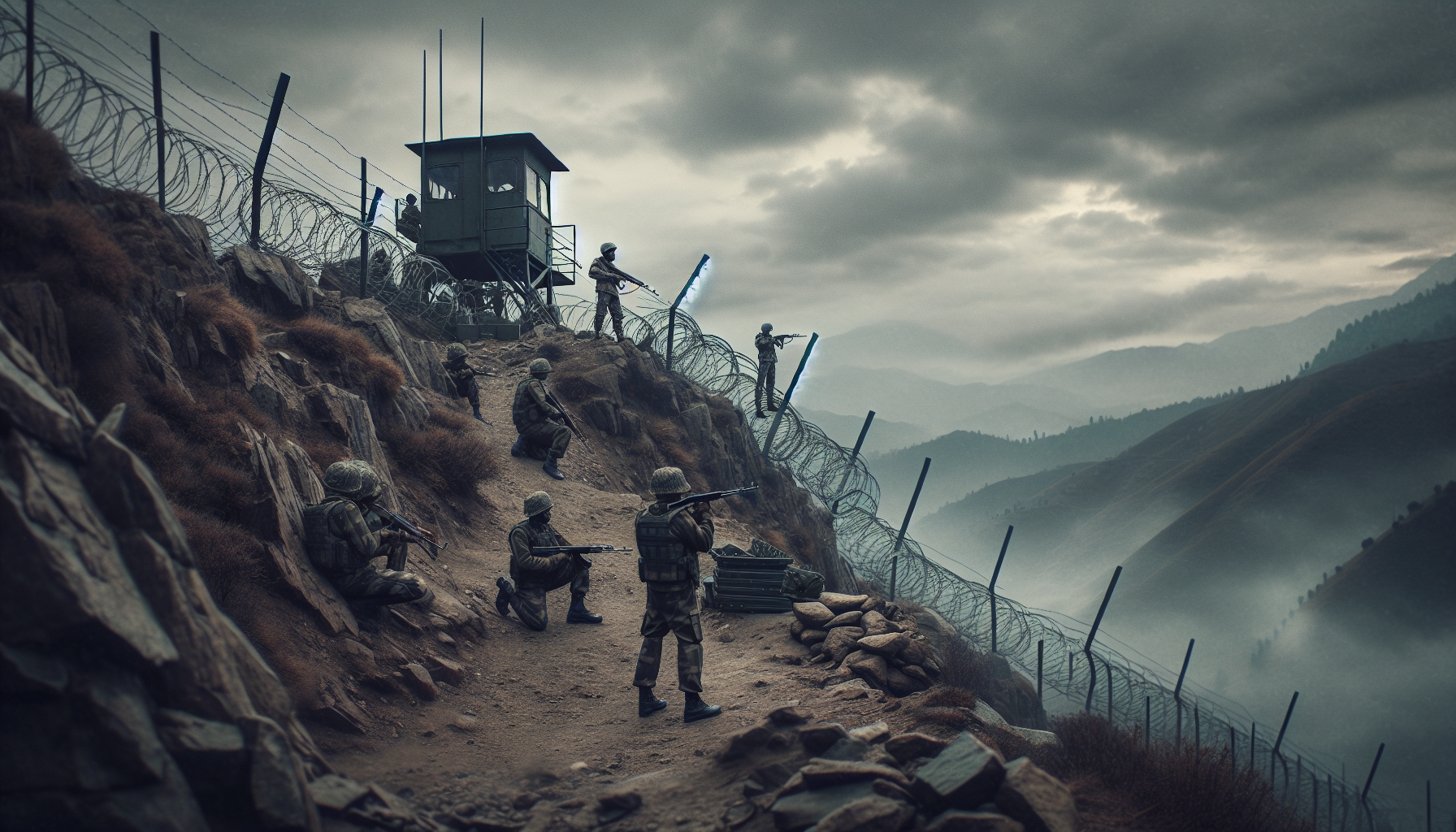
One year following the brief but intense four-day conflict between India and Pakistan, both nations assert having achieved significant strategic advantages. The confrontation, which escalated longstanding disputes, has left a complex legacy influencing military and diplomatic postures in South Asia. Despite the cessation of active hostilities, underlying tensions remain high, with both countries maintaining heightened alertness along their shared border.
In the aftermath, India highlights its tactical successes, emphasizing enhanced security measures and strengthened counterterrorism efforts. Meanwhile, Pakistan underscores its resilience and strategic positioning, asserting that it has effectively defended its interests during the conflict. This mutual narrative of gains reflects the ongoing rivalry and the deep-rooted challenges in achieving lasting peace between the two nuclear-armed neighbors.
Notably, the conflict’s anniversary serves as a reminder of the fragile stability in the region, where sporadic skirmishes and diplomatic stand-offs continue to pose risks. The lessons learned by both sides have influenced military strategies and foreign policy decisions, underscoring the importance of dialogue to prevent future escalations. As the anniversary passes, the international community remains watchful of developments that could impact regional security and global geopolitical dynamics.
