

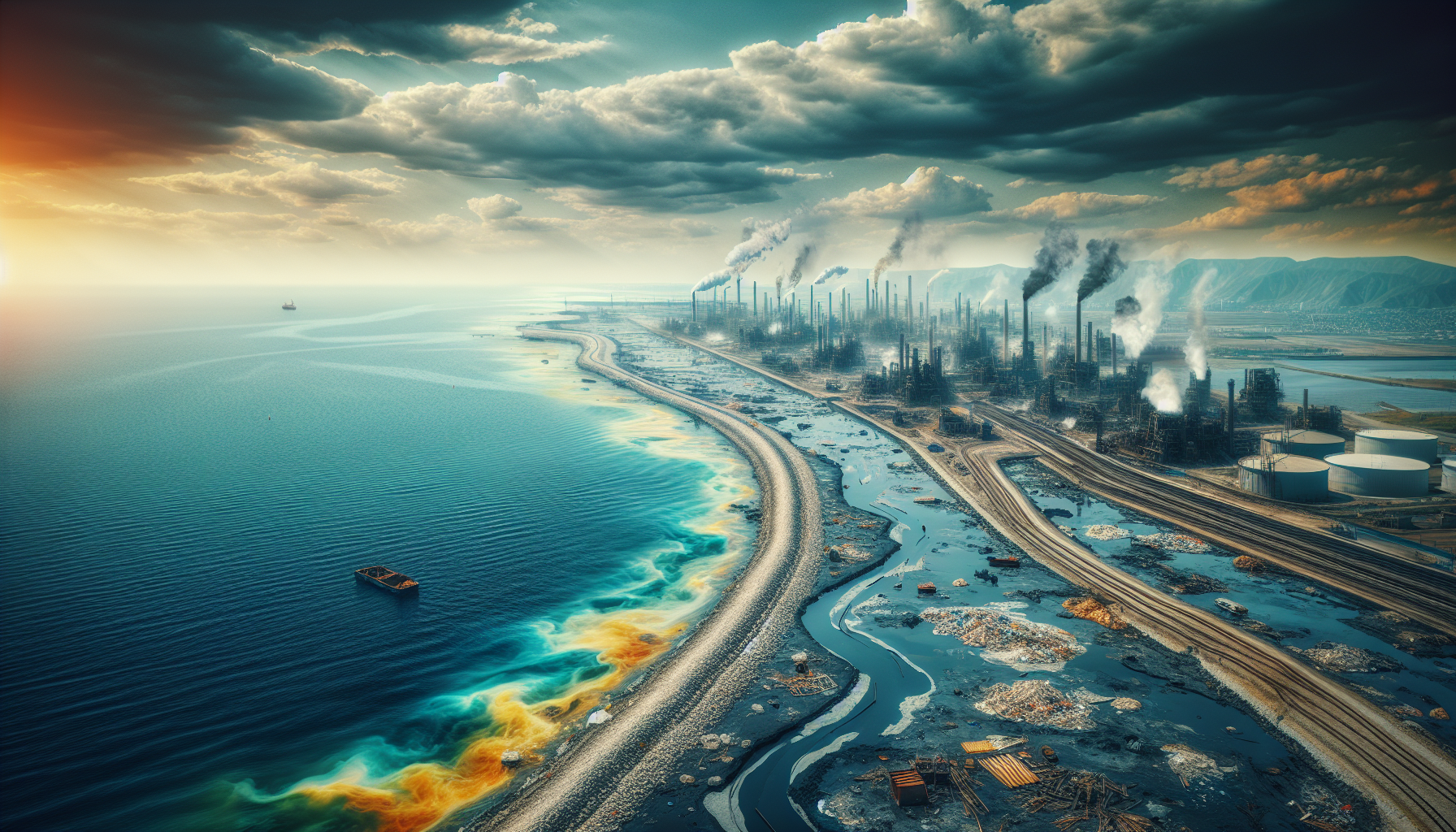
The southern coast of Russia along the Black Sea is currently facing a significant environmental crisis as pollution levels rise sharply. This unfolding disaster reflects deeper systemic issues within the country’s environmental management and regulatory frameworks. The contamination is not only damaging marine ecosystems but also threatening local communities that depend on the sea for their livelihoods. Experts warn that the scale of pollution indicates a broader collapse of ecological safeguards under the current administration.
In a significant development, the environmental degradation along this strategic coastline underscores the consequences of prolonged neglect and mismanagement. The region, known for its biodiversity and economic importance through tourism and fisheries, is now grappling with the fallout of unchecked industrial and urban waste discharge. Meanwhile, the lack of effective policy enforcement has exacerbated the situation, raising concerns about Russia’s commitment to sustainable environmental practices. This crisis also highlights the challenges faced by governance structures under President Vladimir Putin’s system, where economic and political priorities often overshadow ecological considerations.
Notably, the pollution crisis on the Black Sea coast serves as a stark reminder of the environmental vulnerabilities in Russia’s southern territories. The ongoing contamination threatens to undermine regional stability by impacting public health, biodiversity, and economic activities. International observers emphasize that without urgent intervention and comprehensive reforms, the environmental collapse could accelerate, leading to irreversible damage. The situation calls for increased transparency, accountability, and a reassessment of environmental policies to prevent further degradation in this critical area.
