

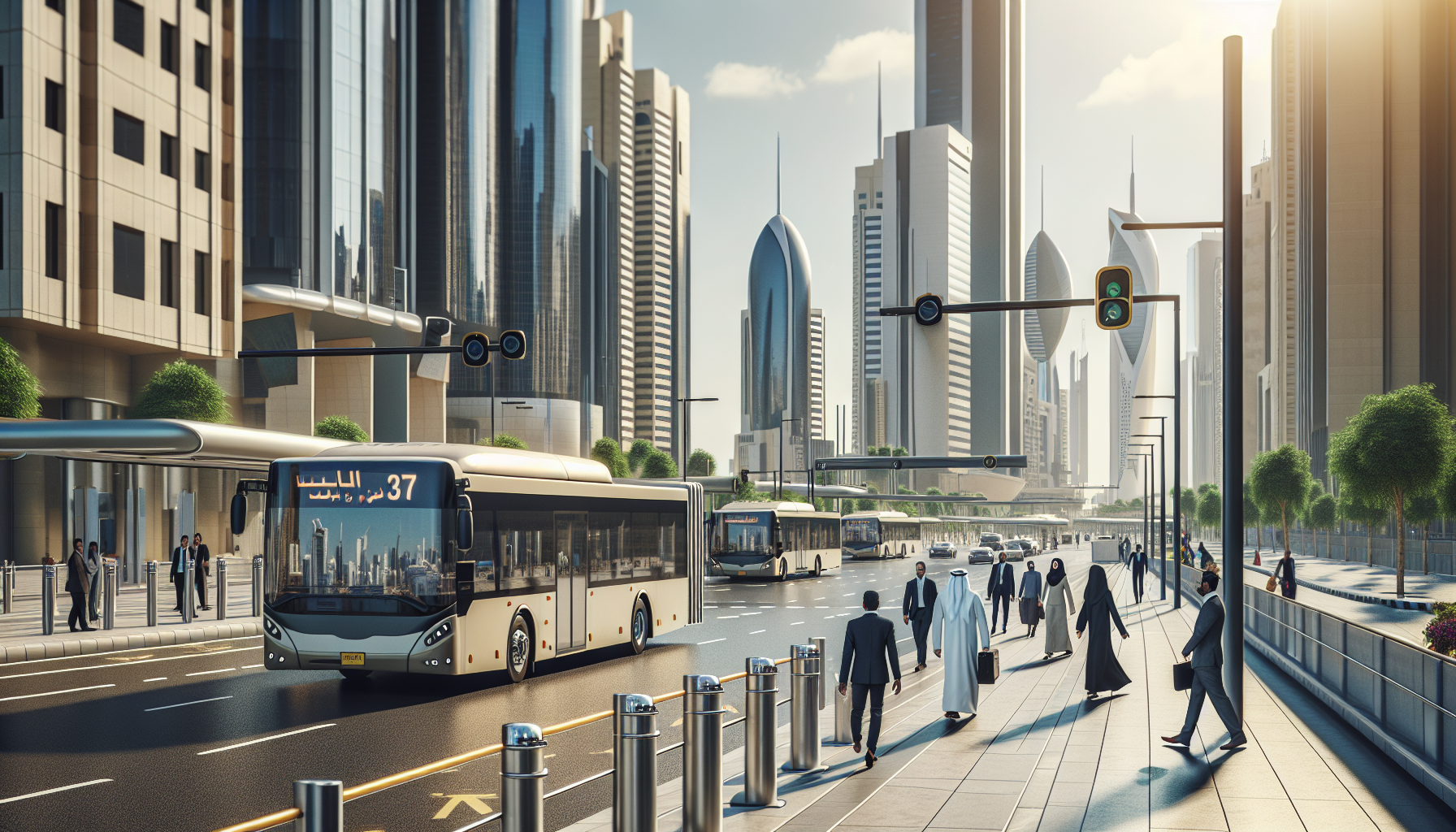
Kuwait has introduced a series of new public transportation and mobility strategies designed to tackle the persistent issue of traffic congestion in the country. These plans focus on expanding and modernizing transit infrastructure to provide residents with more efficient and sustainable travel options. The government aims to reduce reliance on private vehicles, which have contributed significantly to urban gridlock and environmental concerns.
In a significant development, the initiatives include the deployment of advanced bus networks, improved pedestrian pathways, and integration of smart mobility solutions. These measures are expected to enhance connectivity across key urban areas, facilitating smoother and faster commutes. Moreover, the plans align with Kuwait’s broader vision for sustainable urban development and environmental preservation.
Notably, the implementation of these mobility projects is anticipated to have a positive impact on economic productivity by decreasing travel times and improving access to commercial hubs. Additionally, the focus on public transport modernization reflects a global trend towards greener cities and reduced carbon emissions. Kuwait’s commitment to these reforms signals a proactive approach to addressing urban challenges and improving quality of life for its citizens.
