

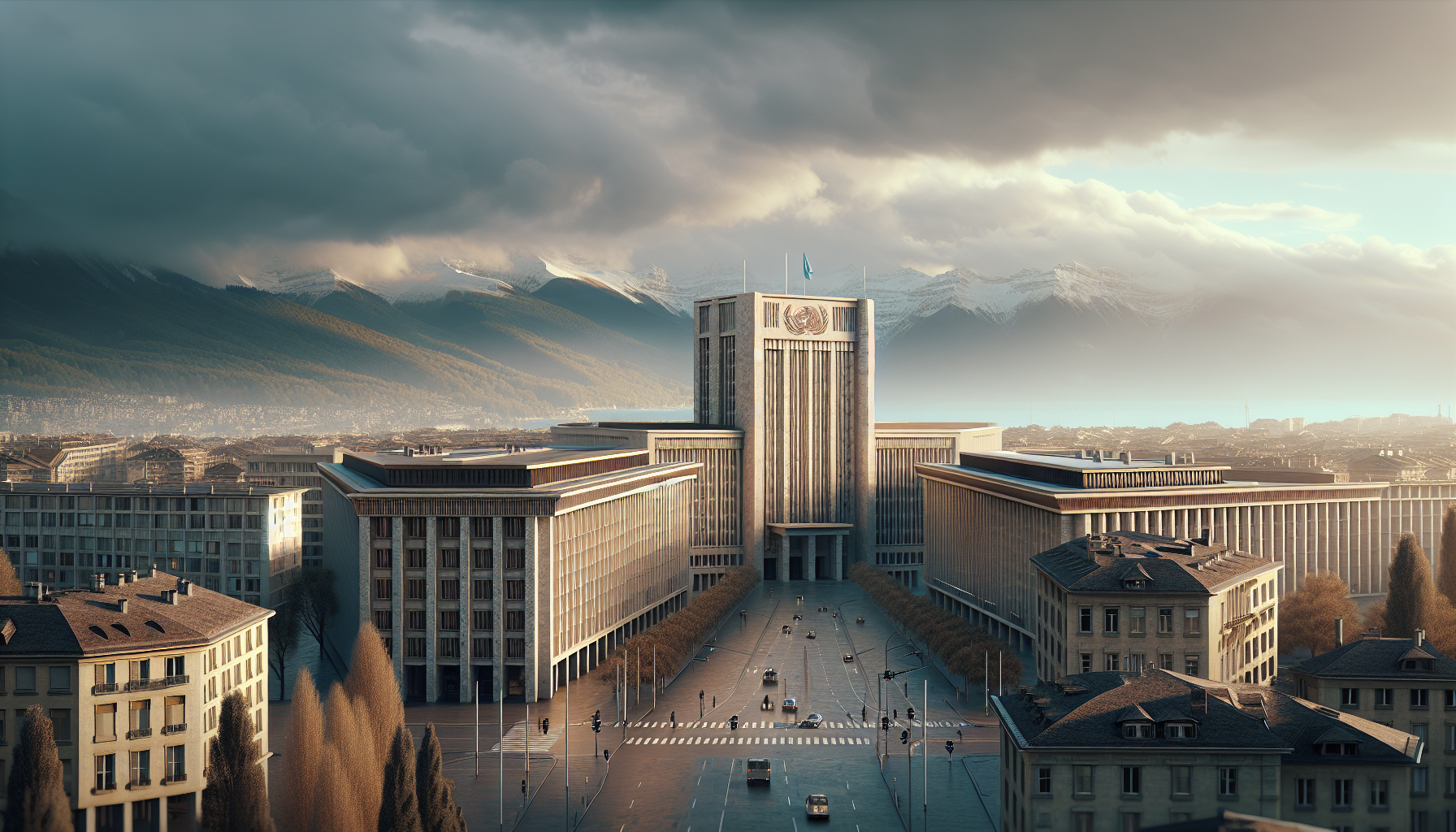
Geneva, long celebrated as a global hub for diplomacy and peace, is witnessing a notable decline in the presence of the United Nations. This city, once synonymous with international cooperation and conflict resolution, has hosted numerous UN agencies and peace talks over the decades. The diminishing footprint of the UN in Geneva signals a transformation in the geopolitical landscape and the shifting priorities of international organizations. This change reflects broader trends in global diplomacy where new centers and methods of engagement are emerging.
Historically, Geneva’s role as a diplomatic capital was cemented by hosting key institutions such as the UN Office at Geneva, the World Health Organization, and the International Labour Organization. These entities contributed to the city’s reputation as a beacon of peace and multilateral dialogue. Meanwhile, evolving global challenges and the decentralization of diplomatic efforts have led to a redistribution of international activities away from traditional hubs like Geneva. This has implications for the city’s economy and its status on the world stage.
In a significant development, the fading UN presence in Geneva could impact the effectiveness of multilateral diplomacy and peacebuilding efforts traditionally coordinated from this city. It raises questions about the future role of Geneva in international relations and the potential rise of alternative venues for global governance. The shift also underscores the need for adaptation by international institutions to remain relevant in a changing world order. Geneva’s legacy as a city of peace remains, but its diplomatic landscape is undeniably evolving.
