



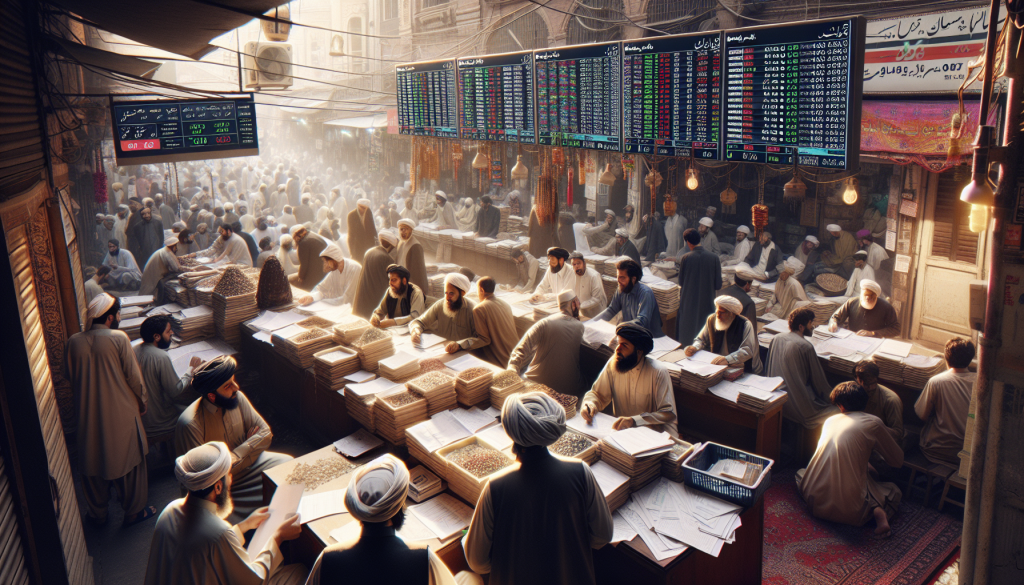
On May 6, 2026, the Iranian Rial exchange rate in Pakistan was closely monitored by traders and businesses due to its significance in bilateral trade and remittance flows. The currency’s value against the Pakistani Rupee influences import-export dynamics, especially given the geographic proximity and economic interactions between the two countries. Fluctuations in the Rial can affect pricing of goods and services, impacting both consumers and commercial entities engaged in cross-border transactions.
Meanwhile, the exchange rate trends are also indicative of broader economic conditions, including inflation rates, monetary policies, and geopolitical factors affecting Iran and Pakistan. The Rial’s performance in Pakistan’s currency markets can serve as a barometer for investor confidence and economic stability in the region. Notably, changes in the Rial’s value may prompt adjustments in trade agreements and financial strategies among businesses operating between the two nations.
In a significant development, monitoring the Iranian Rial rate remains crucial for policymakers and financial institutions aiming to foster economic cooperation and mitigate risks associated with currency volatility. This vigilance helps maintain smoother trade relations and supports the livelihoods of communities dependent on cross-border commerce. As such, the Rial’s exchange rate on this date is more than a mere number; it reflects the intertwined economic realities of Iran and Pakistan in 2026.

Leave an opinion