

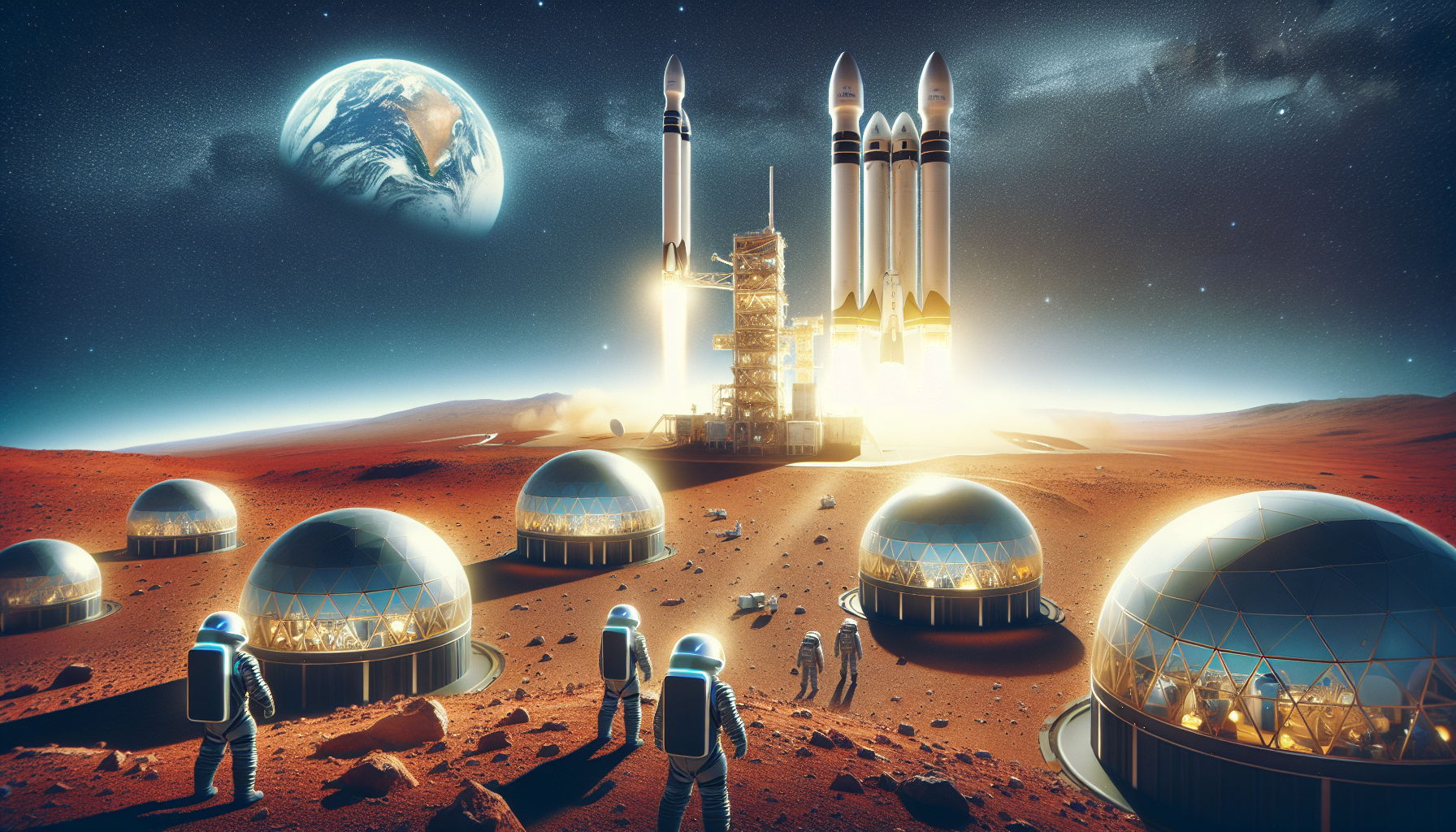
In a significant development during a recent trial, the president of OpenAI disclosed that Elon Musk had proposed an ambitious plan to raise $80 billion to fund the colonization of Mars. This revelation highlights Musk’s long-standing vision of making humanity a multiplanetary species, a goal he has pursued through his aerospace company SpaceX. The testimony sheds light on the scale of investment Musk believed necessary to establish a sustainable human presence on the Red Planet.
Elon Musk’s Mars colonization initiative has been a cornerstone of his futuristic ambitions, aiming to address Earth’s overpopulation and resource challenges by creating a backup habitat for humanity. The $80 billion figure underscores the immense financial and technological challenges involved in such an endeavor, including developing reliable spacecraft, life-support systems, and infrastructure for long-term survival. This testimony also provides insight into the intersection of private enterprise and space exploration funding strategies.
Meanwhile, the trial where this information was revealed has drawn attention to the broader implications of Musk’s ventures beyond electric vehicles and AI. The disclosure by OpenAI’s president not only emphasizes Musk’s influence across multiple high-tech fields but also raises questions about the feasibility and timeline of Mars colonization. As space exploration continues to captivate global interest, such testimonies contribute to public understanding of the ambitions and obstacles faced by pioneers in this domain.
