

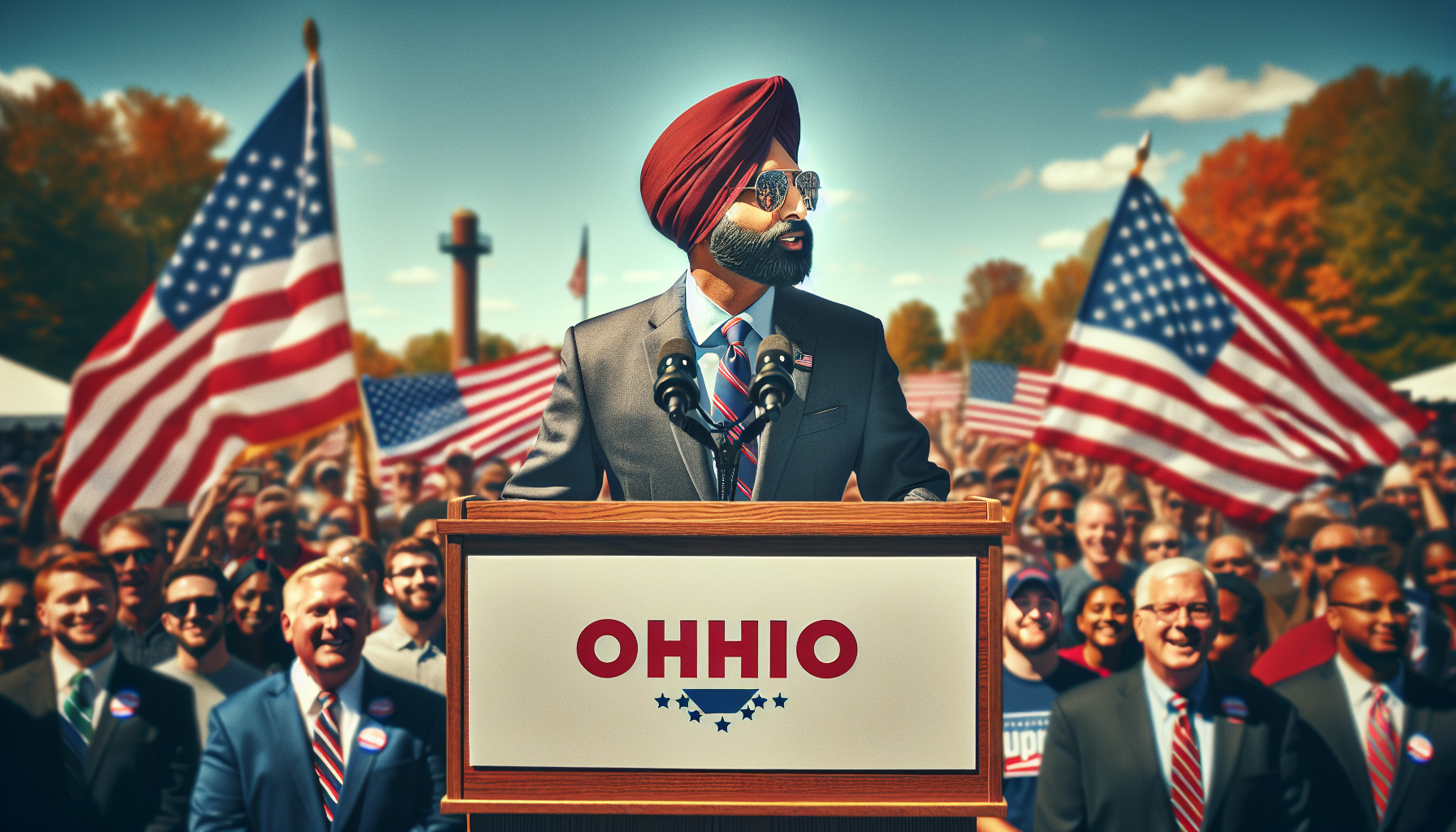
Vivek Ramaswamy has emerged victorious in securing the Republican nomination for the Ohio governor’s race. Throughout his campaign, Ramaswamy concentrated heavily on challenging the state’s handling of the Covid-19 pandemic, which was overseen by the Democratic candidate. His stance resonated with voters who were critical of pandemic-related policies and their impact on the state’s economy and public health measures. This win positions Ramaswamy as a key contender in the upcoming gubernatorial election, where pandemic management remains a pivotal issue.
Ramaswamy’s campaign strategy highlighted a broader national debate about government responses to Covid-19, reflecting divisions within Ohio’s electorate. By focusing on pandemic criticism, he tapped into concerns about restrictions, economic recovery, and individual freedoms that have been central to political discourse. His nomination signals a potential shift in state leadership priorities, emphasizing a more conservative approach to public health and economic policies. This development is significant as Ohio plays a crucial role in national politics and often serves as a bellwether in elections.
Looking ahead, the general election will test Ramaswamy’s ability to expand his appeal beyond the Republican base and address diverse voter concerns. The outcome could influence Ohio’s policy direction on health crises and economic management for years to come. Meanwhile, the Democratic nominee will need to defend their record and present a compelling alternative vision to maintain control of the governor’s office. This contest underscores the ongoing impact of pandemic-related issues on political campaigns and voter priorities in key states like Ohio.
