

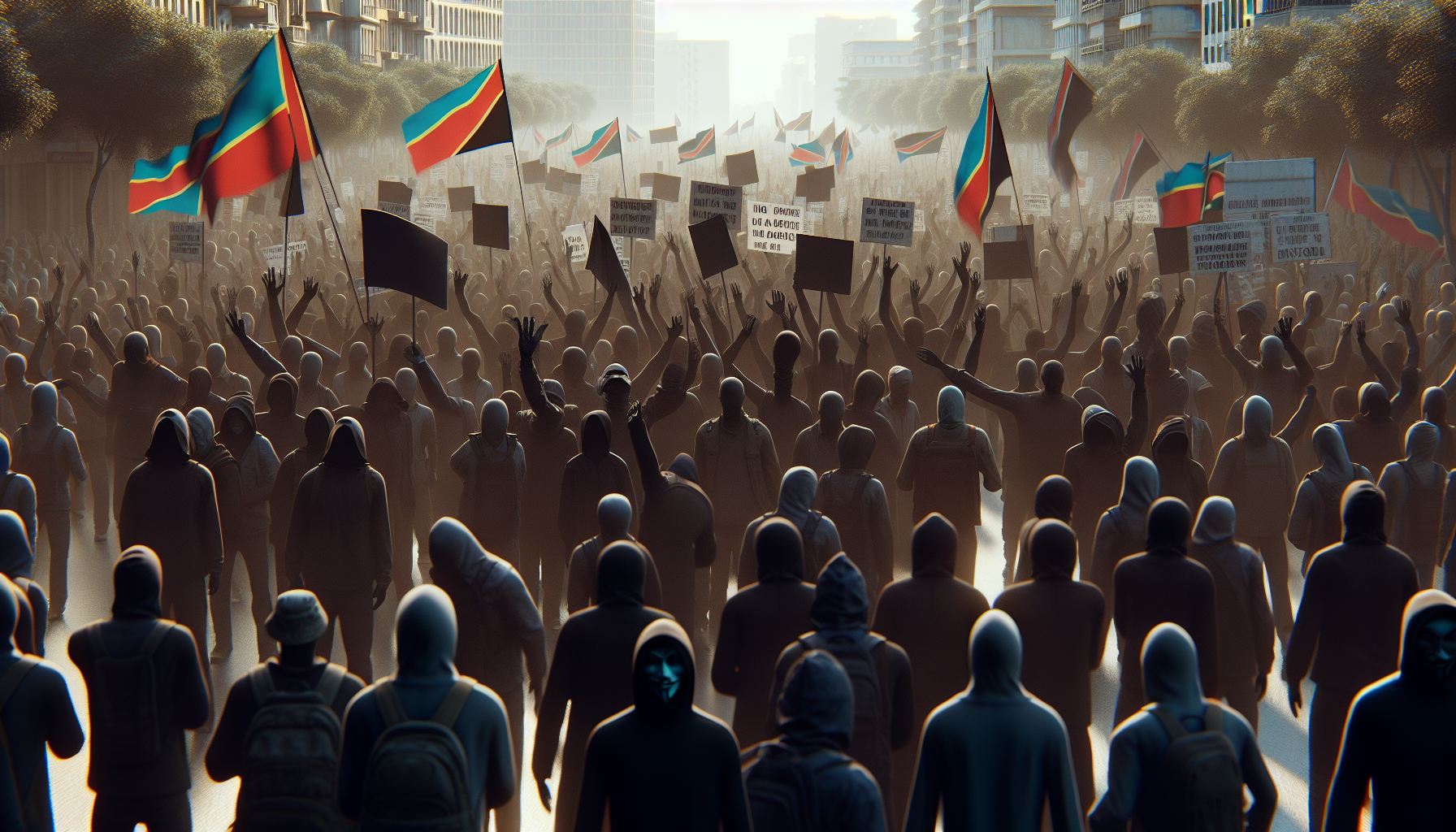
In a significant development, citizens in the Democratic Republic of Congo have taken to the streets to express their support for recent US sanctions imposed on the nation’s former president. These sanctions are part of broader international efforts to address governance issues and alleged misconduct linked to the ex-leader. The protest reflects a segment of the population’s demand for accountability and justice within the country’s political landscape.
The United States has increasingly used sanctions as a diplomatic tool to influence political behavior in various countries, including the DRC. By targeting individuals accused of corruption or human rights abuses, these measures aim to pressure political figures to adhere to democratic norms. The support demonstrated by protesters underscores the impact such international actions can have on domestic public opinion and political dynamics.
Meanwhile, the protest in the DRC also highlights the ongoing challenges the country faces in stabilizing its governance structures and promoting transparency. The former president’s tenure was marked by controversy, and the sanctions serve as a reminder of the international community’s role in encouraging reform. This event may influence future political developments and the relationship between the DRC and foreign governments.
