

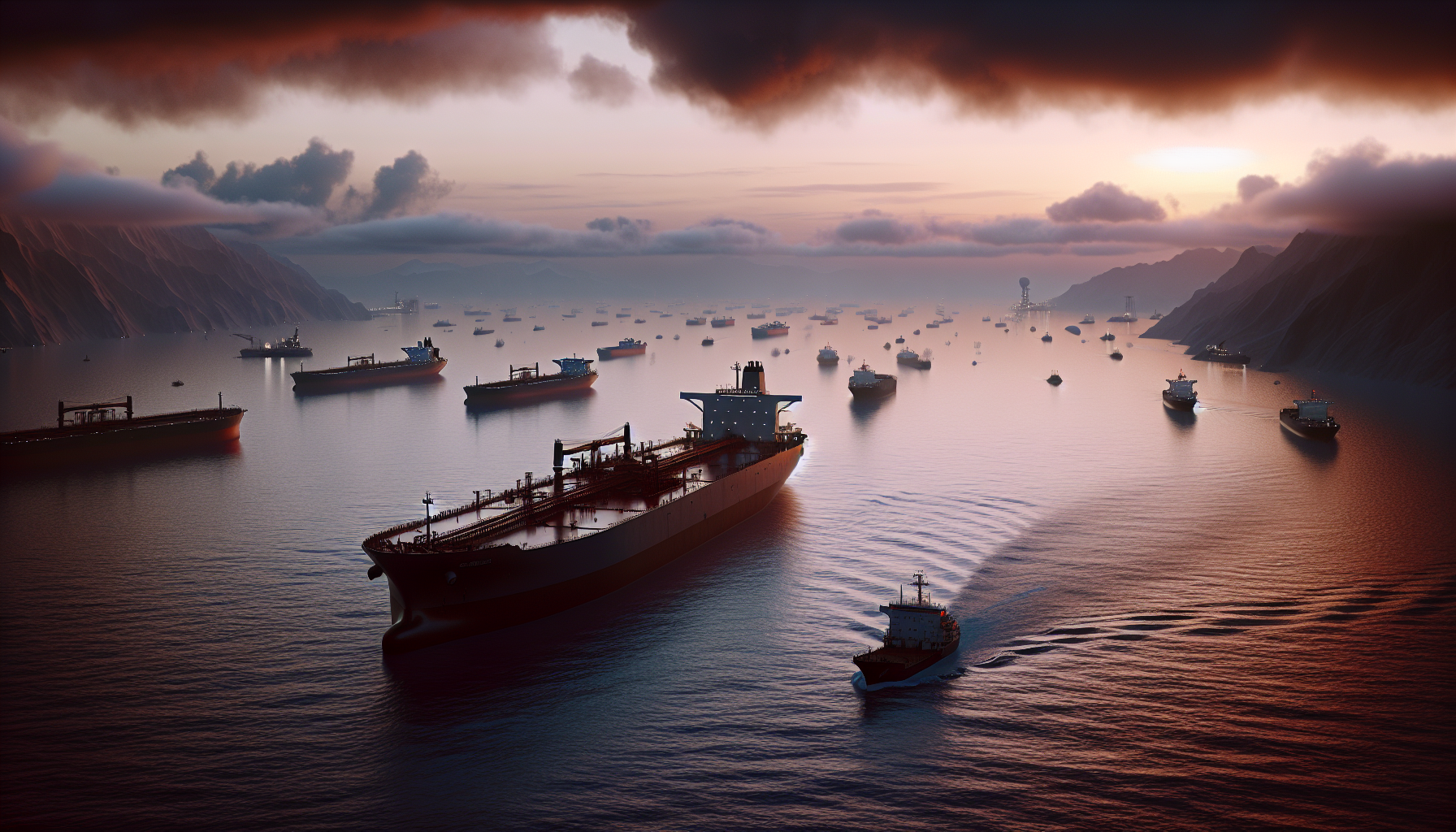
The United States has initiated an operation named “Project Freedom” aimed at assisting commercial vessels stranded in the Strait of Hormuz. This mission seeks to facilitate the safe evacuation of ships trapped in the strategically vital waterway, which has been embroiled in conflict for weeks.
President Donald Trump characterized the initiative as a humanitarian effort designed to aid “neutral and innocent” ships suffering from shortages of food and essential supplies after prolonged immobilization. The operation’s primary goal is to ensure secure passage for these vessels amid ongoing hostilities that have severely disrupted global shipping and raised safety concerns for crews.
While the White House has yet to release comprehensive details regarding the mission’s scope or timeline, the announcement has already heightened tensions in the region. Tehran responded with a stern warning to the US military, instructing its forces to stay clear of the Strait of Hormuz. This directive, issued by the Iranian military command on Monday, signals a potential escalation in an already volatile area.
The warning directly addresses the US administration’s statements about intervening to assist commercial ships currently immobilized in the Gulf. For over two months, the Strait of Hormuz has been a focal point of conflict involving the US, Israel, and Iran, resulting in dozens of international crews being stranded in what is increasingly described as a humanitarian and logistical crisis.
President Trump, while providing limited technical information about the operation, emphasized the urgency of the situation, noting that crews have been stuck for more than sixty days and are running dangerously low on food and basic supplies. “We have crews out there who have been stuck for more than sixty days,” he stated during a press briefing. “They are running out of food, they are running out of basic supplies, and we are going to get them out.”
The maritime industry has voiced growing concern over the welfare of hundreds of sailors caught in the conflict. The Strait of Hormuz, through which approximately one-fifth of the world’s oil supply passes, has become nearly impassable due to active combat operations and the threat posed by naval mines.
Reports from within the Gulf indicate that several tankers are now surviving on emergency rations, with limited access to fresh water and medical care as the blockade continues. The situation underscores the urgent need for intervention to alleviate the humanitarian crisis unfolding in this critical maritime corridor.
