



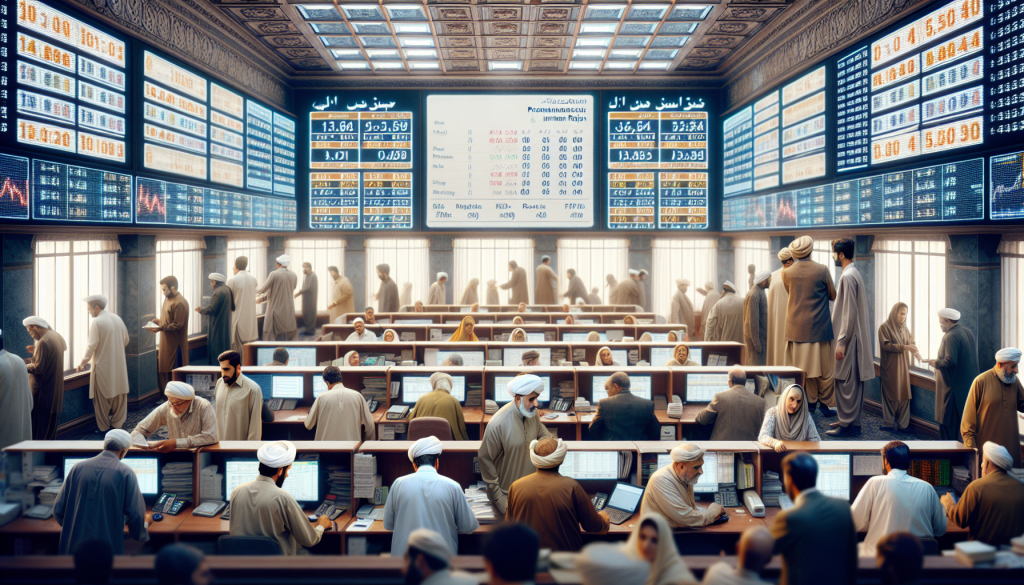
On May 4, 2026, the Iranian Rial’s exchange rate in Pakistan was closely monitored by traders and businesses engaged in cross-border trade. The currency’s value plays a crucial role in facilitating commerce between Pakistan and Iran, impacting import-export dynamics and bilateral economic relations. Fluctuations in the Rial’s rate can influence pricing strategies and financial planning for companies operating in sectors such as energy, textiles, and consumer goods.
Historically, the Iranian Rial has experienced volatility due to geopolitical factors and international sanctions affecting Iran’s economy. Pakistan’s financial markets respond to these changes, adjusting currency exchange rates accordingly to maintain trade balance and economic stability. The exchange rate on this date serves as an indicator of broader regional economic conditions and the resilience of bilateral trade despite external pressures.
In a significant development, the exchange rate trends also affect remittances and investment flows between the two nations. Businesses and individuals rely on accurate and timely currency information to make informed decisions. Monitoring the Iranian Rial rate in Pakistan remains essential for economic stakeholders aiming to optimize financial outcomes amid evolving market conditions.

Leave an opinion