

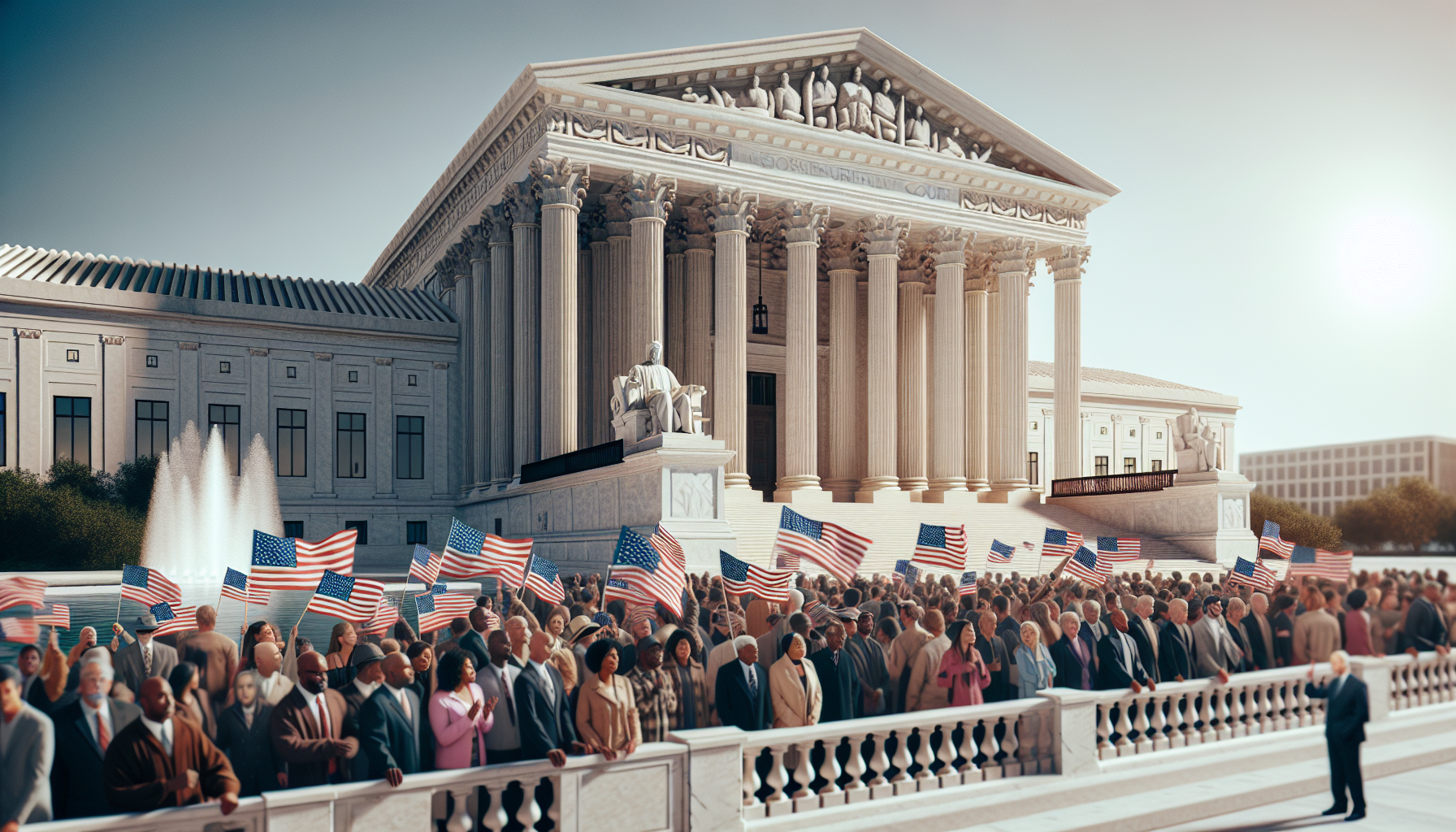
The US Supreme Court recently issued a ruling that has been described as a significant victory by former President Donald Trump. This decision directly influences the redistricting process in Louisiana, altering how electoral boundaries will be drawn in the state. Redistricting is a critical factor in shaping political representation, and changes here can affect election outcomes for years to come. The ruling’s immediate impact on Louisiana is just one aspect of its broader implications.
Notably, this judgment is expected to have far-reaching effects beyond Louisiana, potentially reshaping voting rights protections across the United States. The Voting Rights Act, originally enacted to prevent racial discrimination in voting, has been a cornerstone of American electoral law. Any weakening of its provisions could influence how states manage voter access and district boundaries, raising concerns about the future of fair representation. Legal experts and civil rights advocates are closely monitoring the situation for its nationwide consequences.
In a significant development, the Supreme Court’s decision reflects ongoing debates about the balance between state control over elections and federal oversight designed to protect minority voters. The ruling may embolden other states to pursue similar redistricting strategies, potentially affecting the political landscape in multiple regions. As the country approaches future elections, the effects of this decision will likely become more apparent, influencing both policy and political dynamics on a national scale.
