

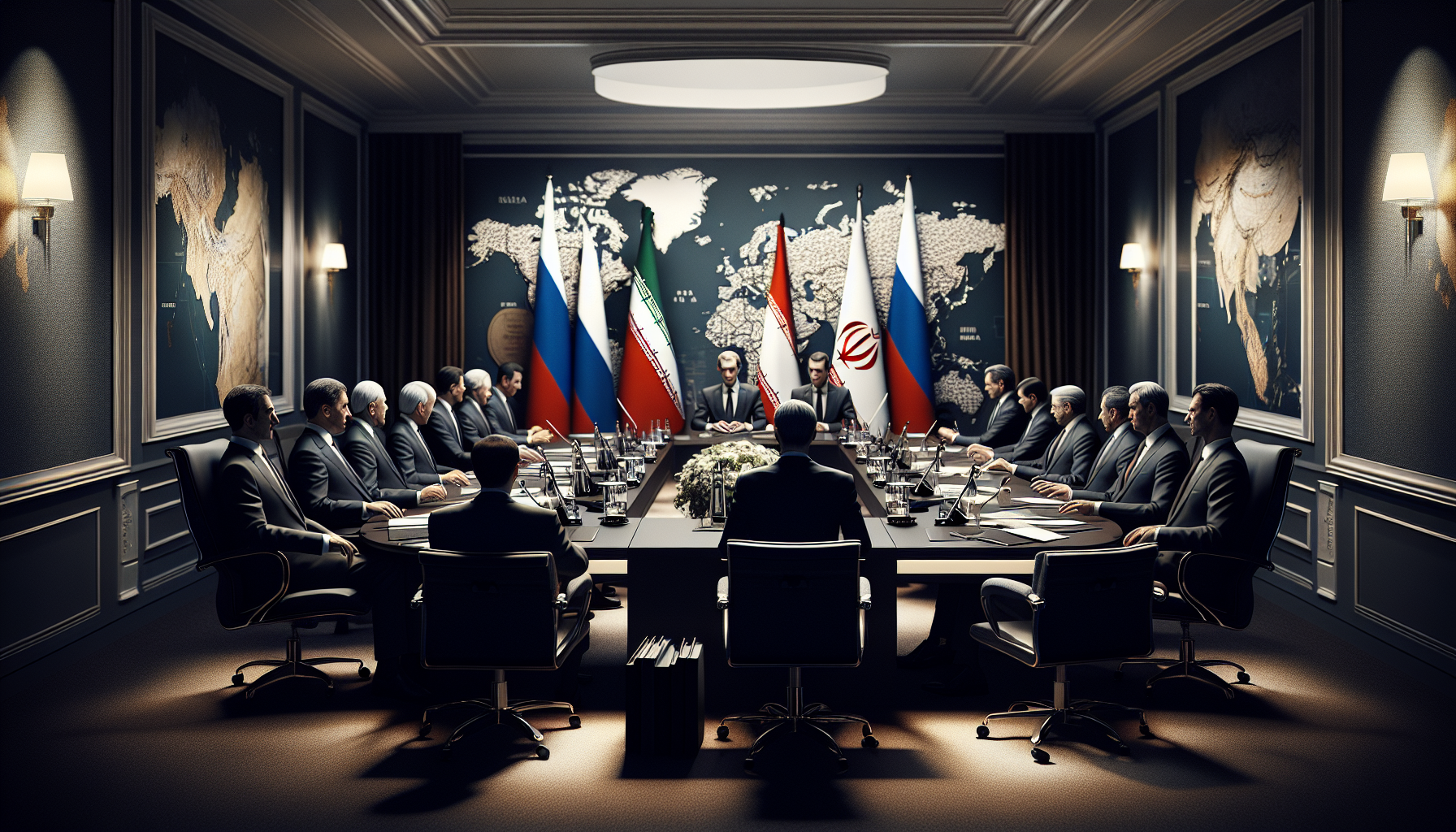
Russia’s influence on the ongoing regional conflict extends beyond the mere supply of arms to Iran. Its political endorsement and firm opposition to any escalation have played a pivotal role in shaping the trajectory of tensions. This diplomatic support has arguably been more significant than military aid in affecting the balance of power and decision-making processes within the conflict zone.
In a significant development, Russia’s stance has provided Iran with a form of international legitimacy and leverage in negotiations and confrontations. By opposing escalation, Russia helps to maintain a certain status quo that benefits its strategic interests in the region. This political backing also complicates efforts by other global actors to isolate or pressure Iran, thereby influencing broader geopolitical dynamics.
Meanwhile, the impact of Russia’s approach resonates beyond immediate conflict zones, affecting alliances and regional stability. The support underscores Moscow’s role as a key power broker in Middle Eastern affairs, shaping outcomes through diplomatic channels rather than direct military intervention. This nuanced involvement highlights the importance of political influence in modern conflicts, where backing can be more consequential than weaponry alone.
