



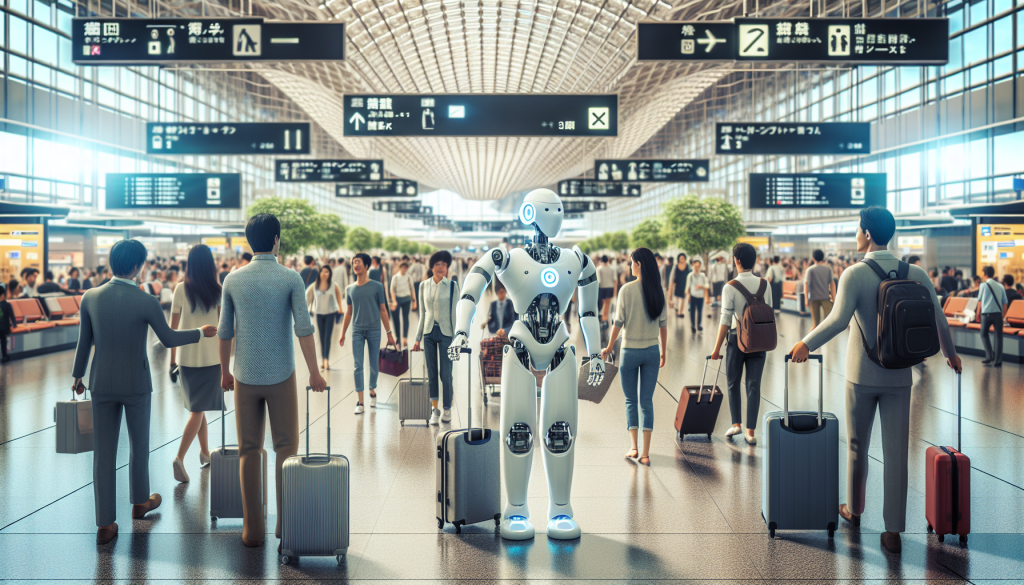
Japan Airlines has launched a pioneering initiative to test humanoid robots as part of its workforce at Tokyo’s Haneda Airport. This trial aims to evaluate the effectiveness of robotic assistance in handling various airport operations, potentially transforming passenger service and operational efficiency. The use of humanoid robots represents a significant step towards integrating advanced robotics into the aviation sector, where automation is increasingly seen as a solution to labor shortages and enhanced customer experience.
Tokyo’s Haneda Airport, one of the busiest airports in the world, serves millions of passengers annually, making it an ideal location for such technological experimentation. The deployment of humanoid robots could streamline processes such as customer guidance, information provision, and logistical support. Notably, this trial aligns with Japan’s broader strategy to innovate through robotics, addressing demographic challenges like an aging workforce and labor scarcity in critical industries.
In a significant development for the future of airport operations, the success of this trial could lead to wider adoption of humanoid robots across airports globally. It may also prompt other airlines and service providers to invest in similar technologies, reshaping the landscape of airport management and passenger interaction. Meanwhile, the integration of robots in public-facing roles raises important questions about human-robot collaboration and the evolving nature of work in highly automated environments.

Leave an opinion