



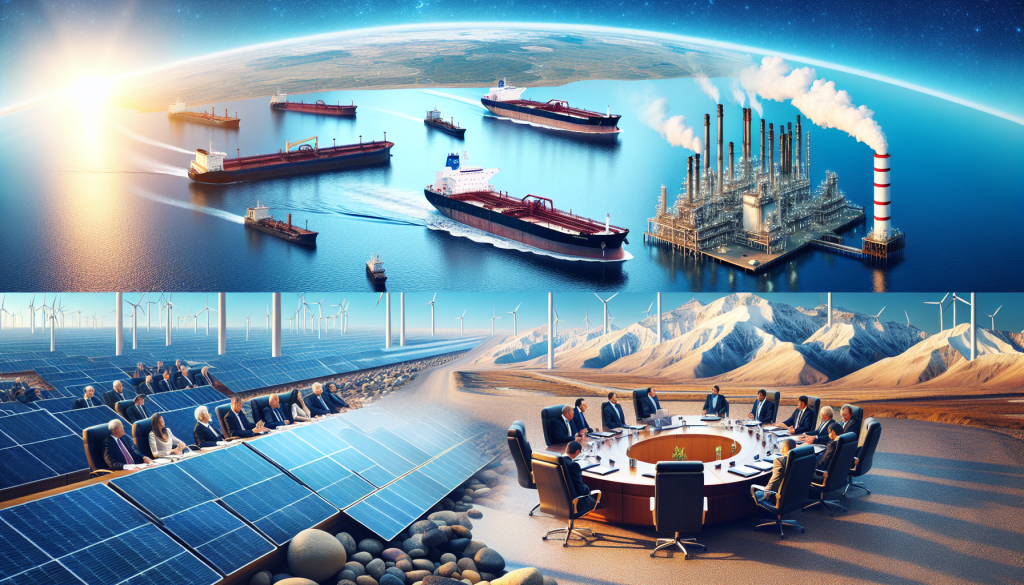
The ongoing conflict involving Iran is poised to significantly impact the global energy landscape. Traditionally, OPEC has maintained substantial control over oil prices and supply, but recent developments have challenged this dominance. Meanwhile, the United States has expanded its oil exports, capitalizing on shifting market demands and geopolitical tensions. This shift not only affects supply chains but also introduces new competitive dynamics among energy producers worldwide.
In parallel, China is intensifying its commitment to renewable energy sources, aiming to reduce reliance on fossil fuels amid global instability. This strategic move reflects broader trends toward sustainability and energy diversification, which could diminish the long-term influence of oil-centric economies. The combination of rising US exports and China’s renewable push underscores a transformative period for energy consumption patterns and international relations.
These evolving factors collectively suggest a potential reordering of global energy power structures. If the Iran conflict escalates, disruptions in oil supply could accelerate the transition to alternative energies, reshaping investment priorities and geopolitical alliances. The outcome will have profound implications for energy security, economic stability, and environmental policies across the globe.

Leave an opinion