

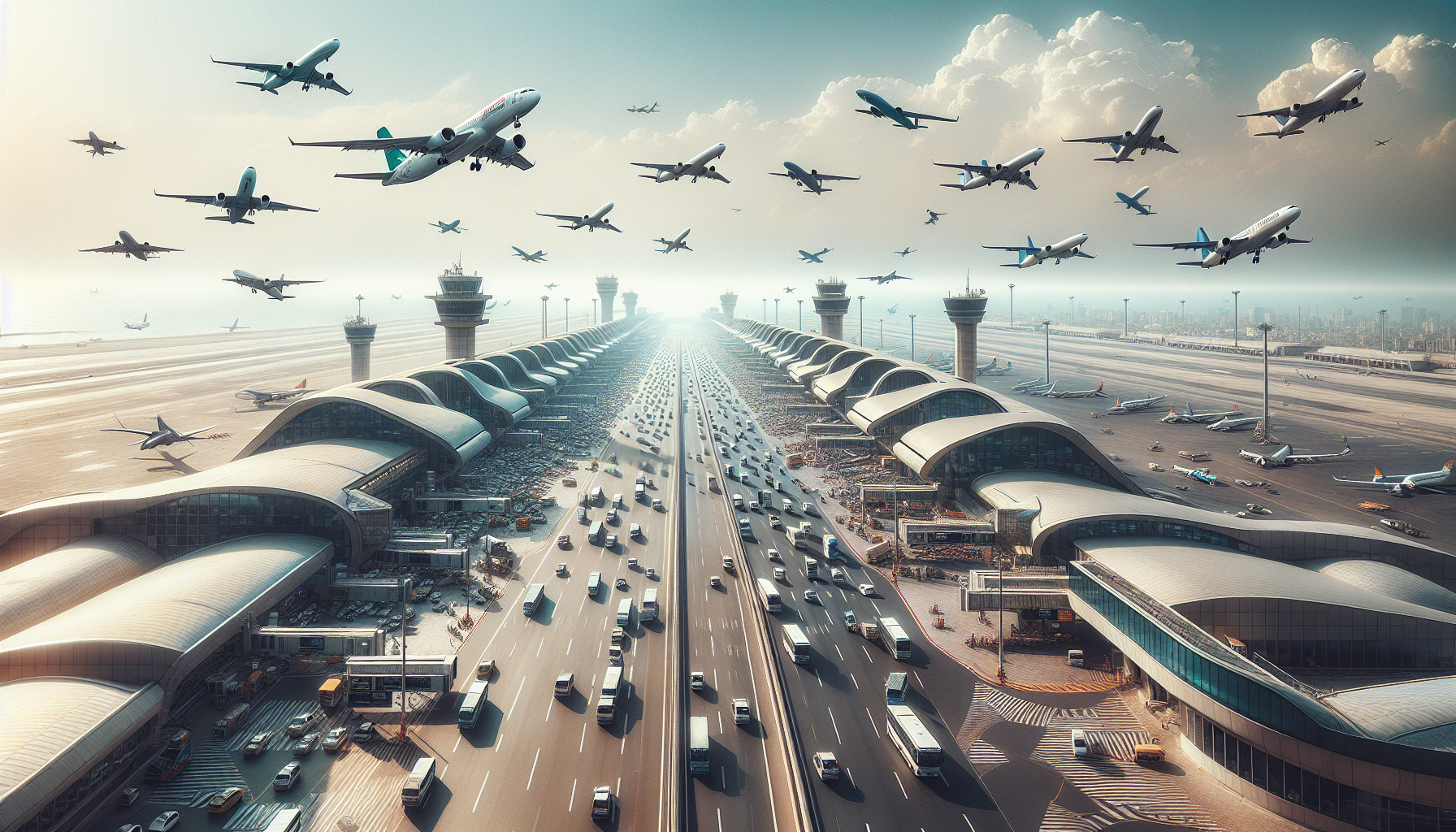
Tehran’s main international airport has witnessed a noticeable increase in flight departures as a ceasefire takes hold in the region. This uptick in air traffic reflects a temporary reduction in hostilities, allowing for more stable and secure travel operations. The airport, a critical hub for both domestic and international connections, plays a vital role in facilitating movement amid fluctuating geopolitical tensions.
In a significant development, the surge in flights suggests that airlines and passengers are responding positively to the improved security environment. This change not only benefits travelers but also supports economic activities tied to aviation and tourism sectors. The increased air traffic may also indicate a broader diplomatic effort to stabilize the situation and restore normalcy.
Meanwhile, the airport’s operational capacity is being tested as it manages the growing number of departures. Efficient handling of this increased flow is crucial to maintaining safety and service standards. The current scenario highlights the importance of ceasefire agreements in enabling essential infrastructure to function effectively, impacting both local and international stakeholders.
