

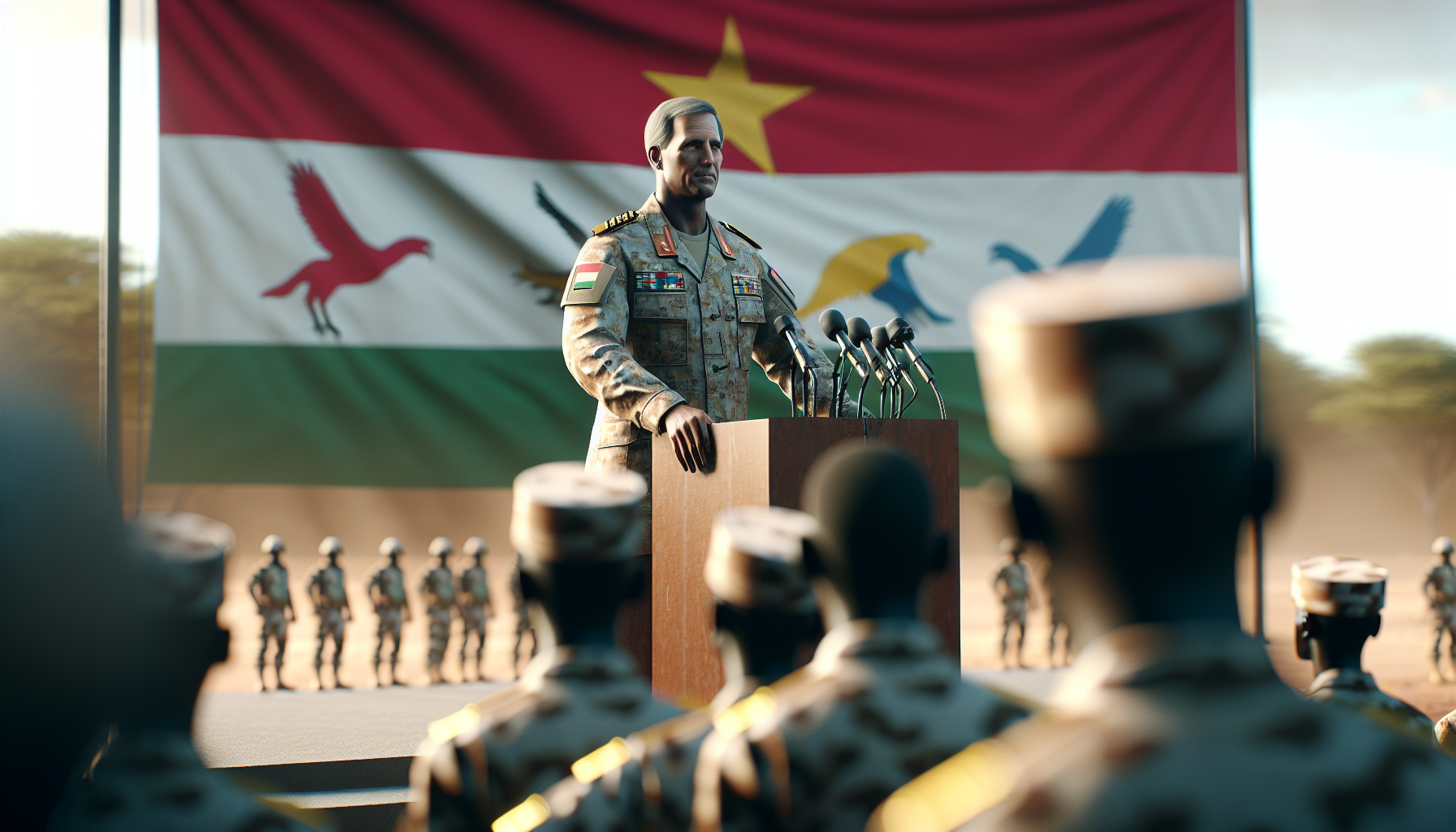
Assimi Goita, the military leader of Mali, has been seen publicly for the first time since recent rebel attacks shook the region. His appearance comes at a critical moment when the country’s stability is under intense scrutiny. Goita has been a central figure since leading a military takeover in Mali, which has drawn both regional and international attention. The reemergence of Goita signals an attempt to reassure the public and maintain control amid ongoing security challenges.
Meanwhile, Russia has declared that it successfully halted a coup attempt in Mali, a country where it holds significant influence through military and political alliances. This announcement aims to dispel rumors and speculation about the durability of Mali’s military government. Russia’s involvement highlights the geopolitical stakes in the Sahel region, where various powers compete for influence amid instability. The claim also underscores Russia’s role as a key backer of Goita’s administration.
In a significant development, the situation in Mali reflects broader regional tensions involving rebel groups and foreign interests. The presence of rebel attacks and the military’s response have implications for peace and security in West Africa. Mali’s fragile political landscape remains vulnerable to further disruptions, with international actors closely monitoring the evolving dynamics. The interplay between local military leadership and external powers like Russia will continue to shape Mali’s future trajectory.
