

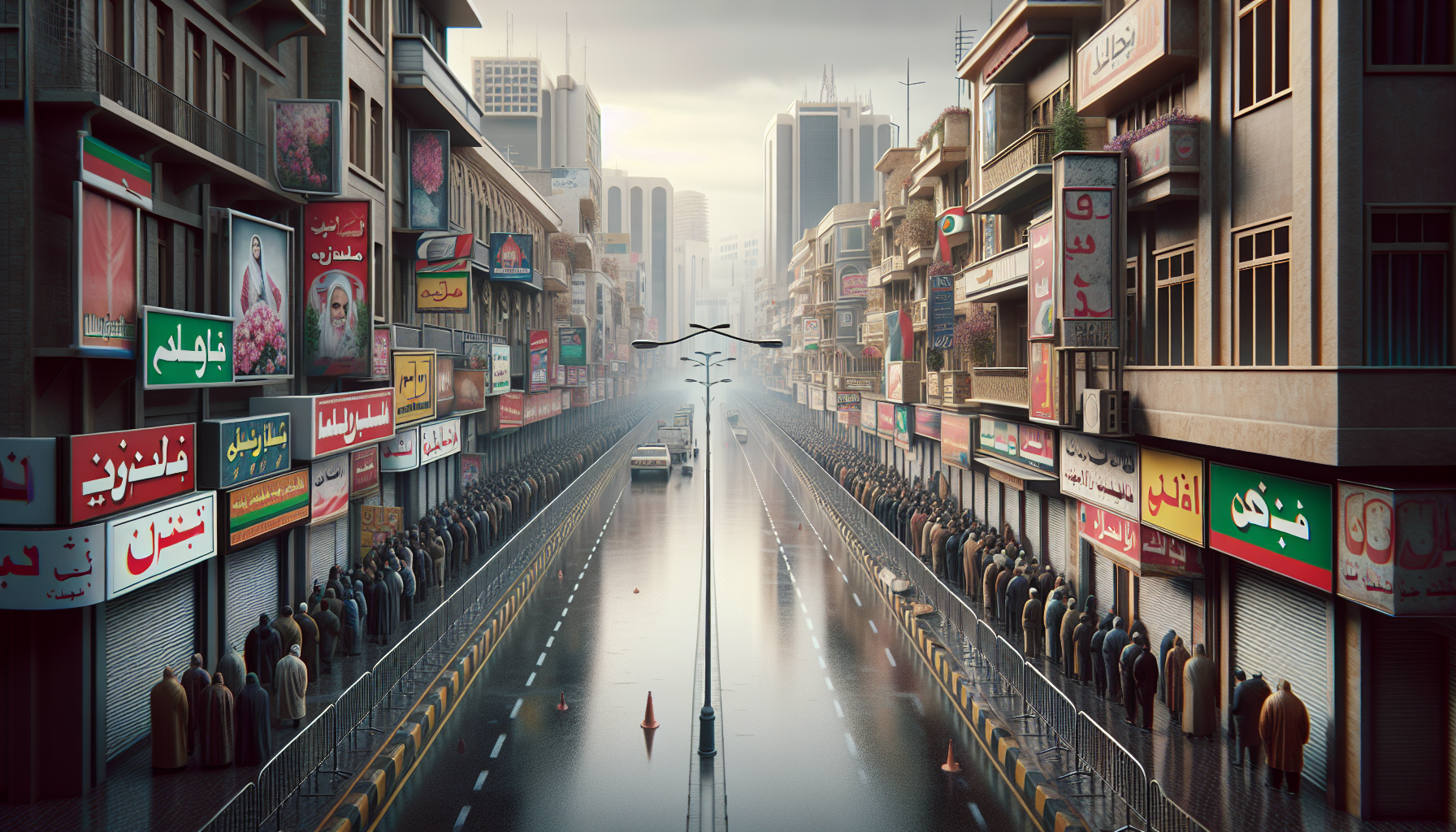
Two months into the ongoing conflict, ordinary citizens in Iran are grappling with significant economic hardships, including widespread job losses and shortages of essential goods. These challenges have intensified daily struggles for many families, reflecting the broader impact of the war on the country’s economy and social fabric. Despite these difficulties, the core governmental and military institutions remain firmly intact, continuing to operate without disruption.
Meanwhile, the political landscape within Iran has shifted notably, with hardline factions gaining increased influence and control. This consolidation of power among conservative elements suggests a tightening grip on the country’s direction and policies amid the turmoil. Such developments indicate that while the population faces economic distress, the regime’s foundational structures are resilient and potentially more authoritarian than before.
In a significant development, the persistence of key institutions alongside the strengthening of hardliners underscores the complex dynamics at play in Iran during this period of conflict. The situation highlights the dual reality of societal hardship and political entrenchment, which could have lasting implications for Iran’s domestic stability and regional posture. Observers note that these trends may shape the country’s trajectory well beyond the immediate crisis.
