

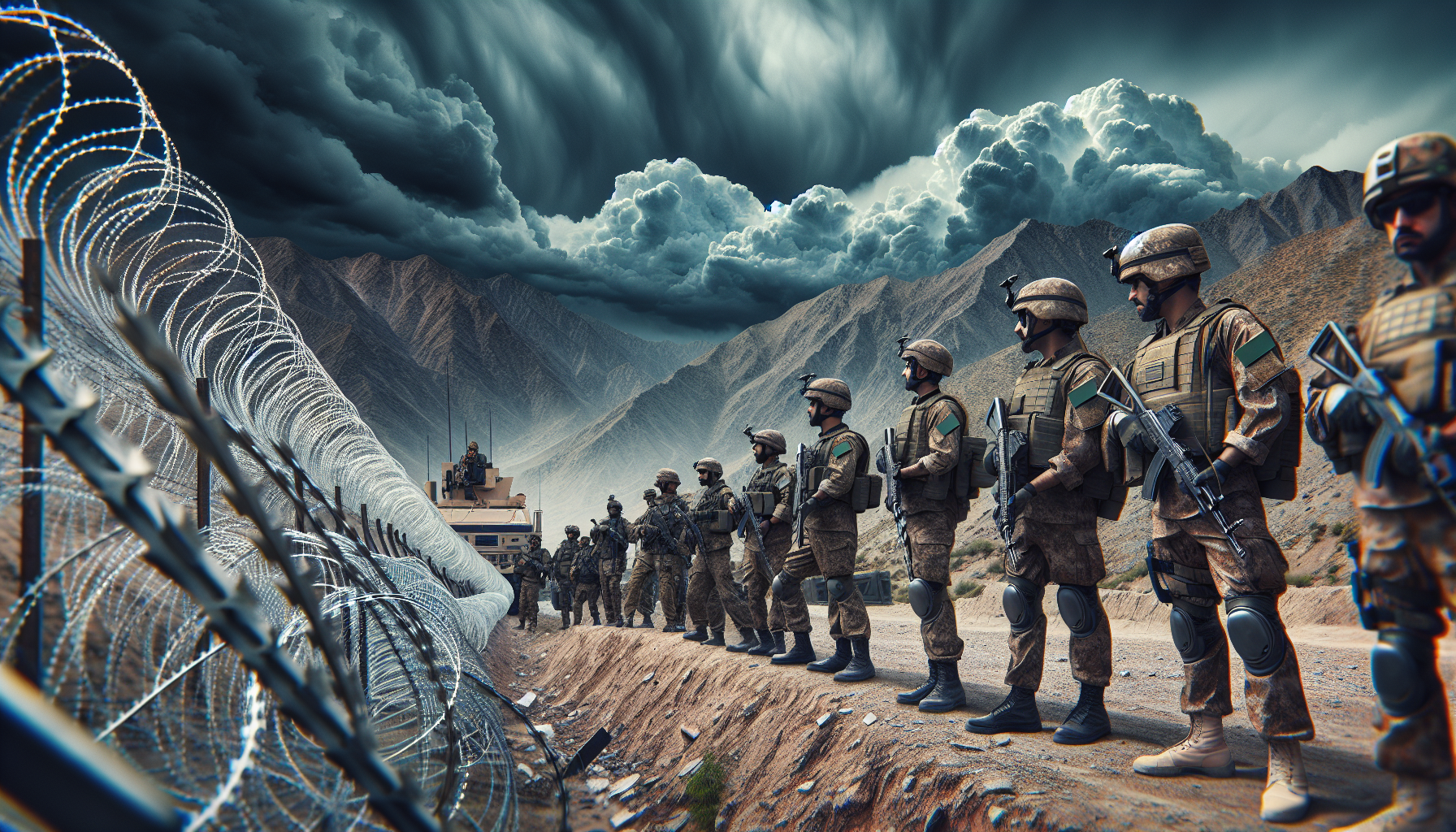
In a significant development, Pakistan and Afghanistan have reported cross-border attacks, marking the first violent incidents since both countries agreed to a ceasefire during peace talks held last month. This escalation threatens to undermine the fragile truce aimed at stabilizing the region and fostering diplomatic dialogue. The peace agreement had raised hopes for reducing hostilities along the shared border, which has long been a hotspot for conflict and militant activity.
Historically, the Pakistan-Afghanistan border has been a contentious zone, with frequent clashes involving military forces and insurgent groups. The recent attacks highlight the challenges in enforcing the ceasefire and maintaining trust between the two nations. Both governments have expressed commitments to peace, but the resurgence of violence signals unresolved tensions and the complexity of securing lasting peace in the region.
Meanwhile, the international community continues to watch closely, as stability between Pakistan and Afghanistan is crucial for regional security and counterterrorism efforts. The breakdown of the ceasefire could have broader implications, potentially disrupting ongoing diplomatic initiatives and affecting civilian populations along the border. Efforts to revive dialogue and reinforce the ceasefire will be critical in preventing further escalation and promoting long-term peace.
