

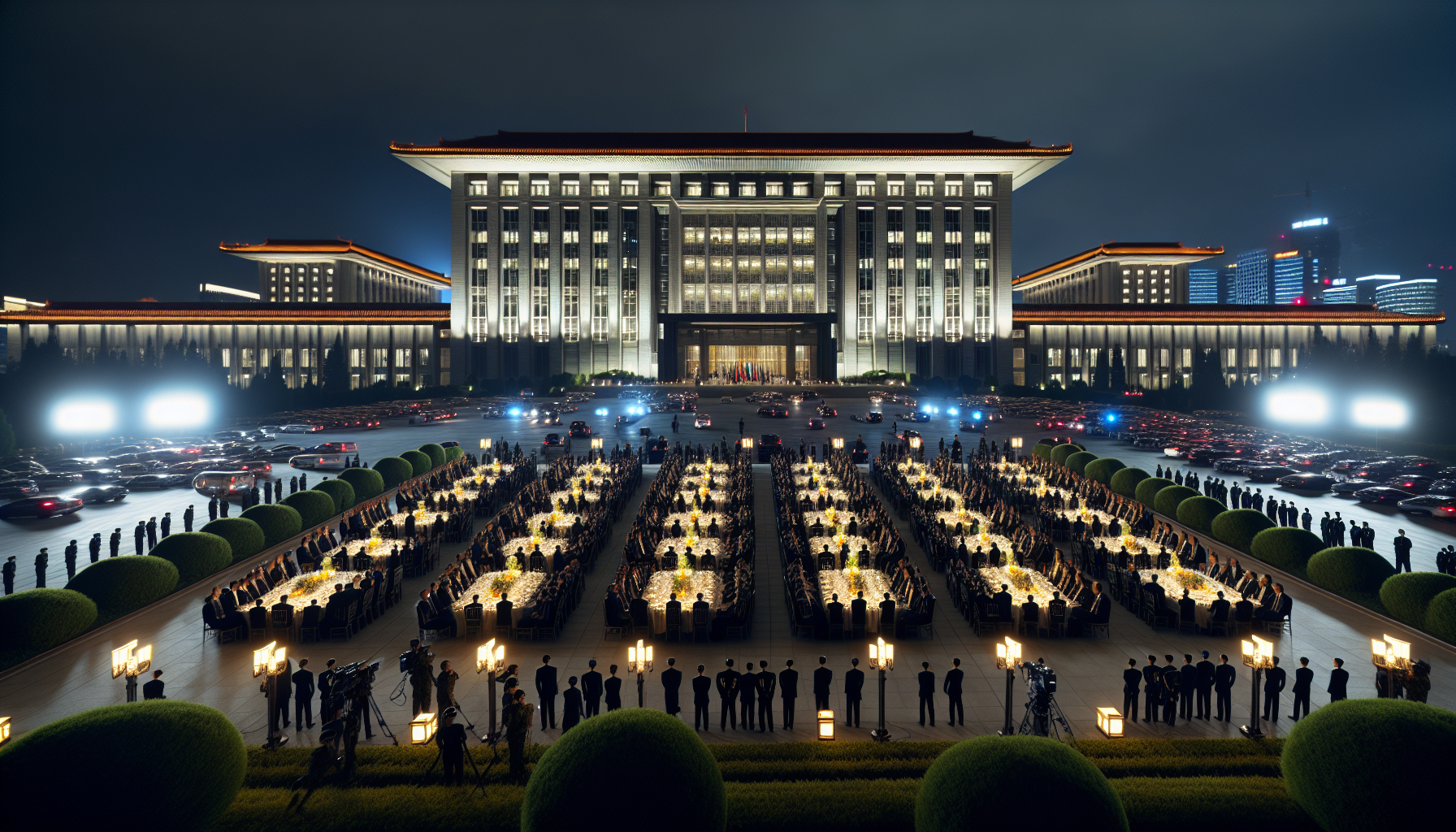
In a significant development, a US official has revealed that former President Donald Trump was likely the intended target of a shooting incident at the White House Correspondents’ dinner. This event, traditionally attended by political figures, journalists, and celebrities, is known for its high-profile guest list and media coverage. The revelation raises concerns about security measures at major political and media gatherings in the United States. It also underscores the ongoing threats faced by prominent political figures even after their terms in office.
The White House Correspondents’ dinner is an annual event that celebrates the relationship between the press corps and the presidency, often featuring speeches and satirical commentary. The shooting incident, therefore, not only endangered attendees but also threatened the symbolic nature of the event as a platform for free press and political discourse. Authorities are likely to increase security protocols for future events to prevent similar threats. This incident highlights the volatile political climate and the risks associated with public appearances by former presidents.
Meanwhile, the investigation into the shooting is expected to focus on the motives behind targeting Trump and the potential implications for national security. The incident may prompt discussions on how to better protect public figures and maintain safety at politically significant events. It also serves as a reminder of the persistent challenges in balancing open democratic engagement with the need for stringent security. The broader impact on political events and media gatherings could lead to changes in how such occasions are managed going forward.
