

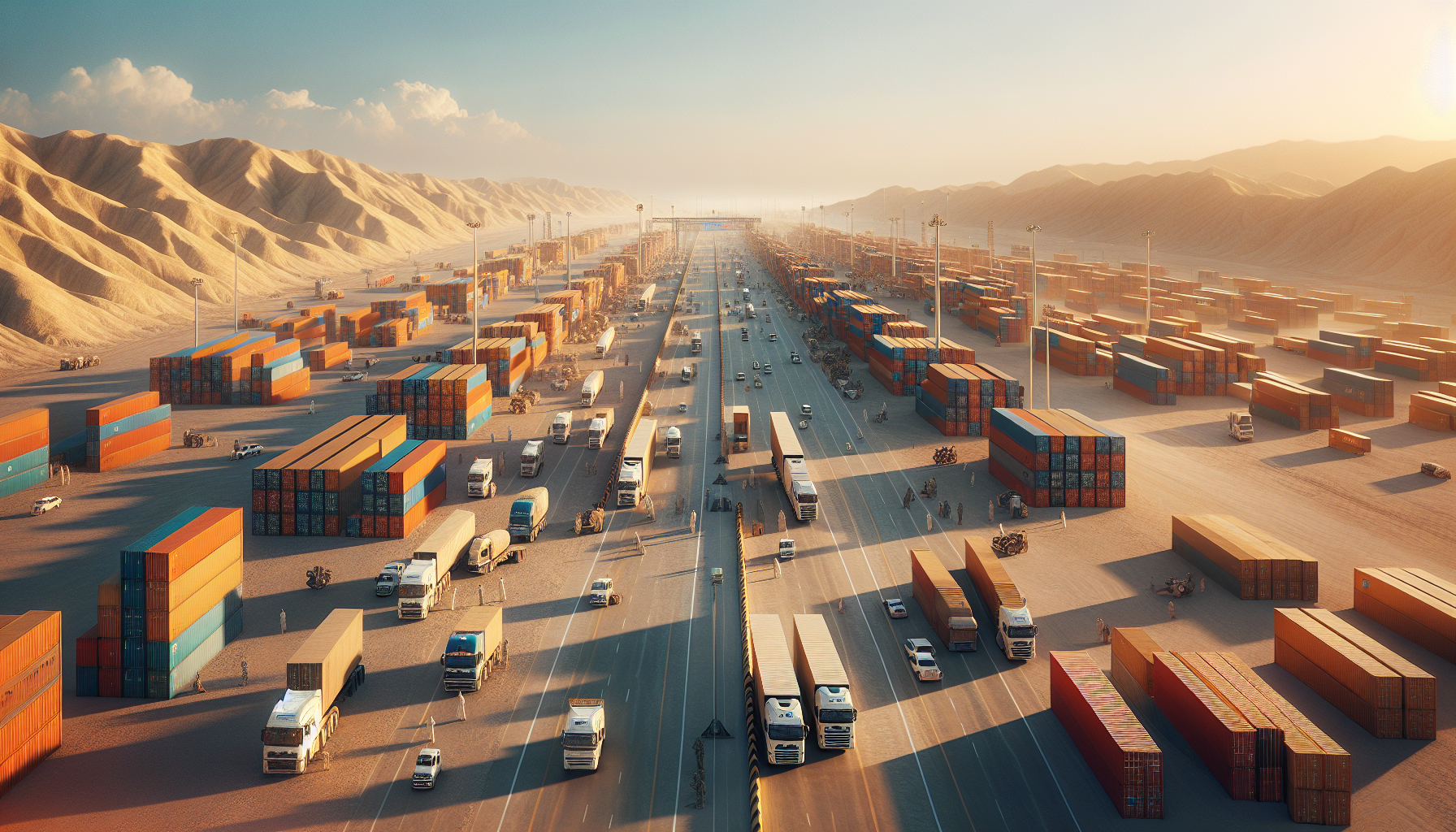
Iran is actively pursuing alternative land transit routes to facilitate the movement of approximately 3,000 shipping containers currently stranded in Pakistan. These containers, which have been delayed due to maritime restrictions, highlight the challenges Iran faces amid ongoing US sanctions targeting its sea trade. The search for overland pathways is seen as a strategic effort to maintain trade flows despite these external pressures.
In a significant development, Iranian authorities are looking to bypass the US blockade by shifting cargo transit from sea to land. This move underscores the broader geopolitical tensions affecting regional trade logistics and the lengths to which Iran is willing to go to sustain its economic activities. The stranded containers represent not only commercial goods but also the broader impact of sanctions on Iran’s import-export capabilities.
Meanwhile, the situation has drawn attention to Pakistan’s role as a transit hub and the complexities involved in cross-border trade under international sanctions. The exploration of new land routes could reshape regional trade dynamics, potentially easing some logistical bottlenecks. However, it also raises questions about the long-term viability of such alternatives amid persistent geopolitical challenges.
