

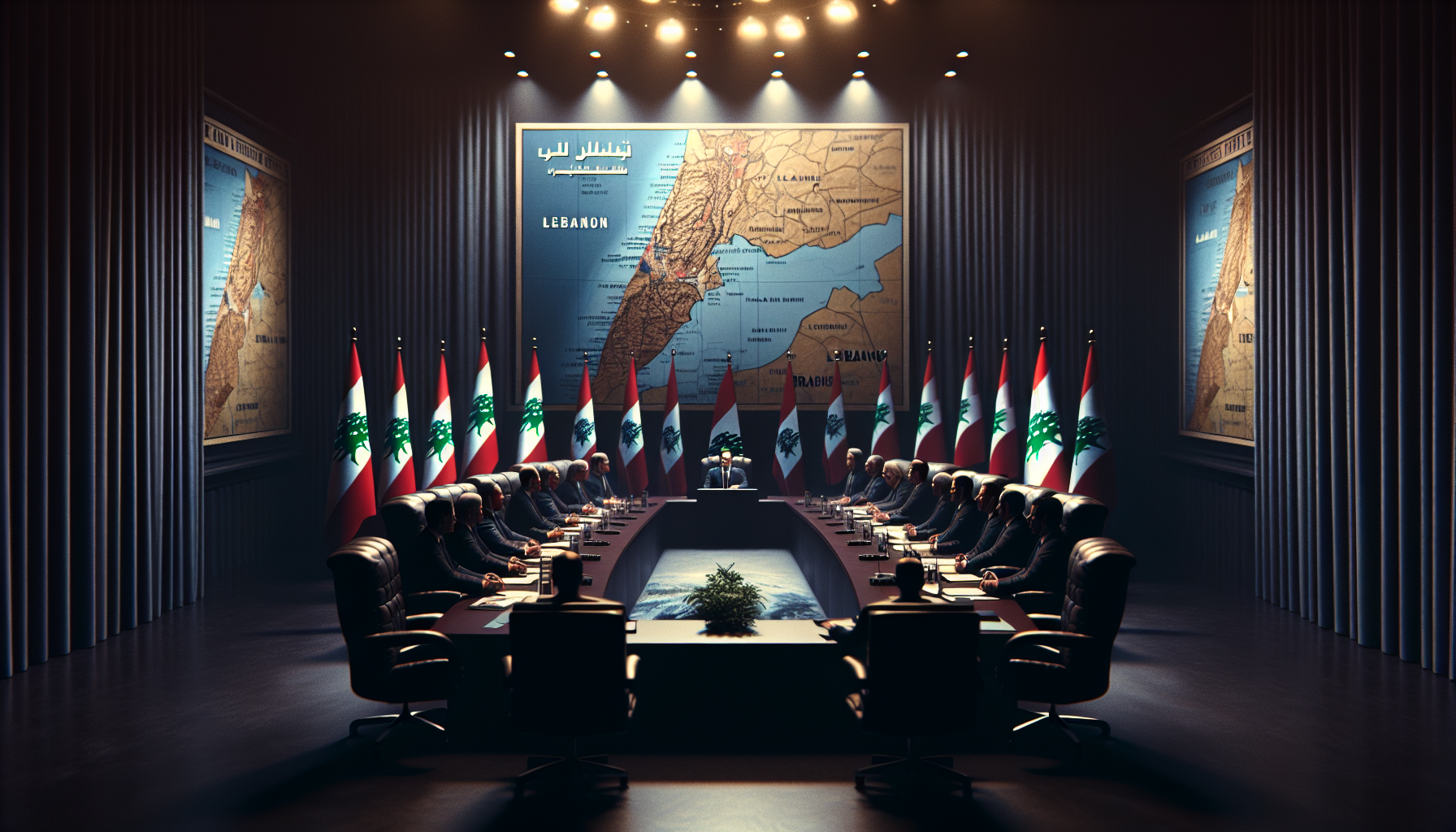
Lebanon is currently experiencing significant internal debate regarding the optimal approach to resolving its longstanding conflict with Israel. The nation remains split, with a portion of the population endorsing Hezbollah’s strategy of armed resistance as a means to address ongoing tensions. This division highlights the complexity of Lebanon’s political and social landscape, where differing views on security and diplomacy coexist uneasily.
In a significant development, upcoming talks with Israel have sparked controversy within Lebanon, as many question the legitimacy and potential outcomes of such negotiations. Hezbollah, a powerful political and militant group in Lebanon, continues to advocate for a firm stance against Israel, emphasizing military readiness over diplomatic engagement. Meanwhile, other factions and citizens call for dialogue and peaceful resolution, reflecting broader regional and international pressures to stabilize the area.
The impact of these mixed perspectives is profound, as Lebanon’s internal discord may influence the success or failure of any peace initiatives. The country’s divided stance complicates efforts to achieve a unified national policy toward Israel, potentially affecting regional security dynamics. As Lebanon navigates this critical juncture, the outcome of the talks could either pave the way for reduced hostilities or deepen existing fractures within Lebanese society.
