

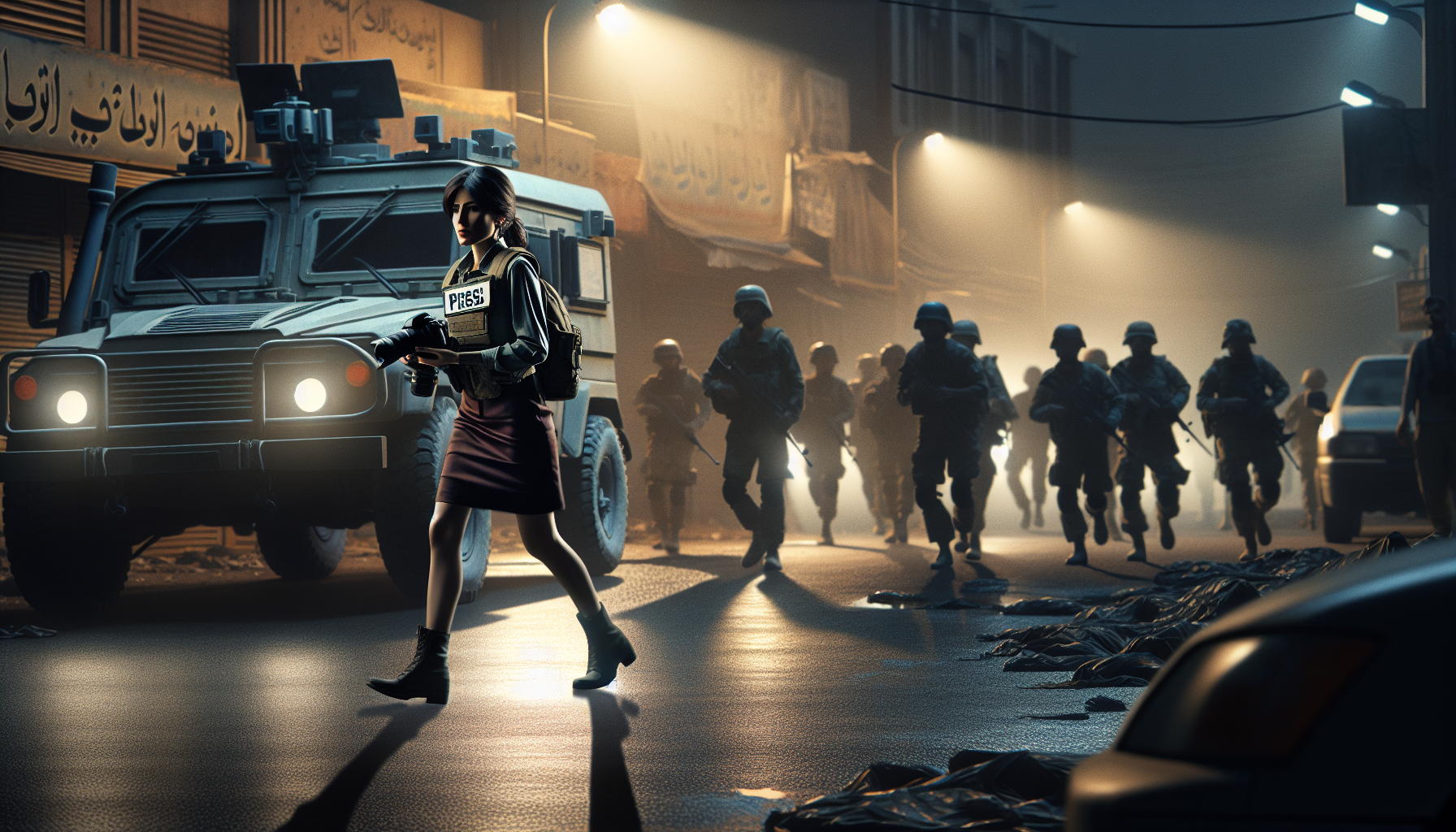
Lebanese journalist Amal Khalil was reportedly targeted and killed by Israeli forces in a recent incident that has drawn international attention. The details reveal that she was actively pursued before her death, underscoring the dangers journalists face while covering conflict areas. Khalil’s death has sparked concerns about press freedom and the safety of reporters operating in volatile regions. Journalists in such environments often risk their lives to provide critical information to the public, making this incident particularly significant.
In a significant development, the circumstances surrounding Khalil’s killing have raised questions about the conduct of military operations in conflict zones and their impact on non-combatants, including members of the press. The targeting of journalists can have a chilling effect on media coverage, limiting transparency and accountability during conflicts. This event has prompted calls from human rights organizations for thorough investigations and stronger protections for journalists worldwide.
Meanwhile, the broader implications of Khalil’s death extend to the ongoing tensions in the region, where media personnel frequently operate under threat. The incident highlights the urgent need for international mechanisms to safeguard journalists and ensure their ability to report without fear of violence. As the situation develops, the global community continues to watch closely, emphasizing the importance of upholding press freedom even amidst complex geopolitical struggles.
