

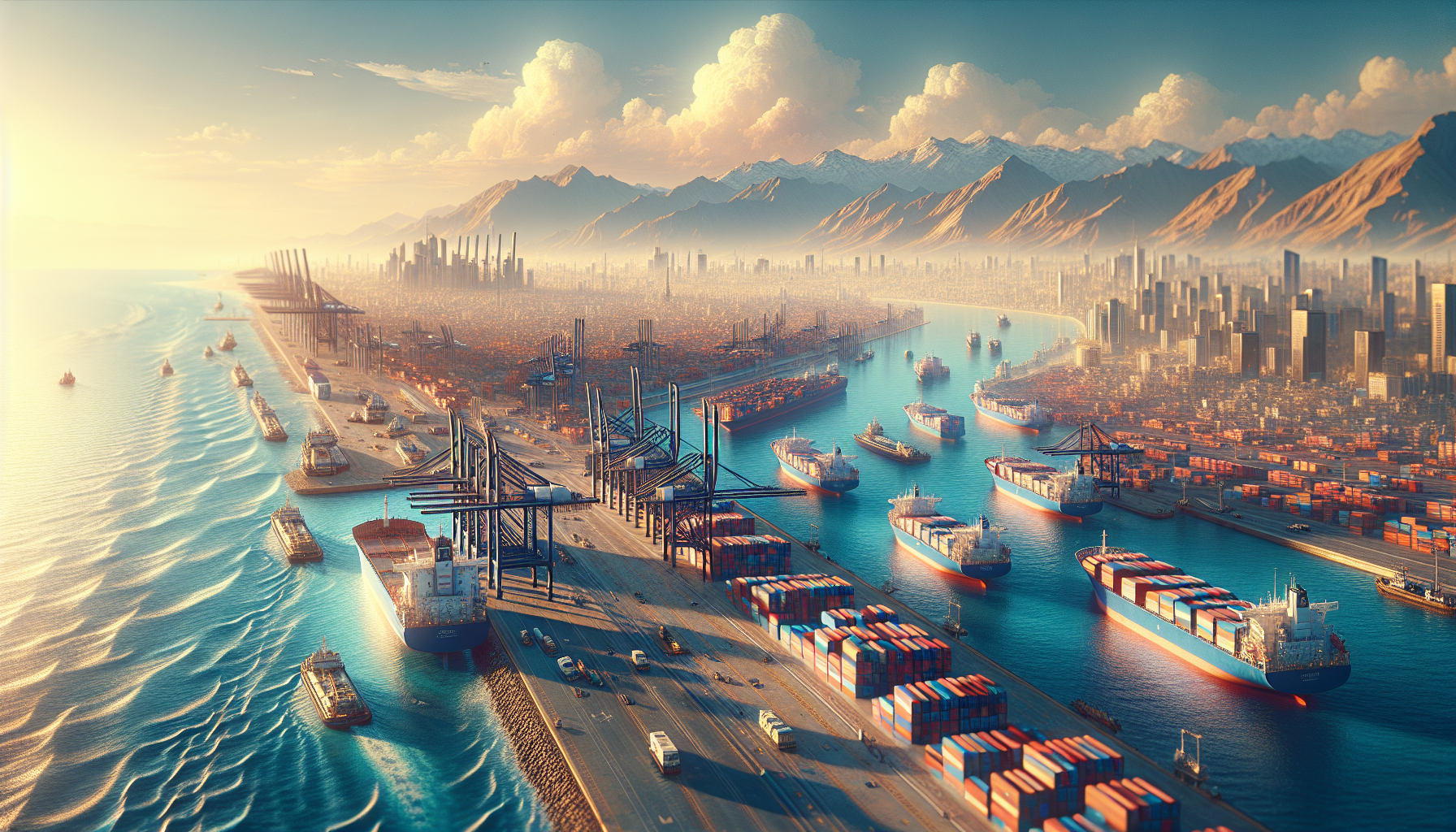
Iran’s economy appears prepared to withstand the pressures of a potential US naval blockade, signaling Tehran’s strategic efforts to mitigate external economic threats. This resilience stems from diversified trade partnerships and domestic economic policies aimed at reducing reliance on vulnerable supply routes. The US has considered naval blockades as a measure to curb Iran’s influence and restrict its oil exports, which are vital to its economy.
In a significant development, Iran’s ability to maintain economic stability despite these challenges underscores the nation’s broader geopolitical strategy. Tehran has increasingly turned to alternative markets and enhanced self-sufficiency in critical sectors, lessening the blockade’s potential impact. Meanwhile, regional allies and trading partners have played a crucial role in sustaining Iran’s economic activities amid heightened tensions.
Notably, the endurance of Iran’s economy under such duress could influence the balance of power in the Middle East, affecting global energy markets and diplomatic relations. The situation also highlights the limitations of naval blockades in modern economic warfare, where countries employ multifaceted approaches to circumvent sanctions and restrictions. As the US continues to apply pressure, Iran’s economic strategies will remain a key factor in regional stability and international negotiations.
