



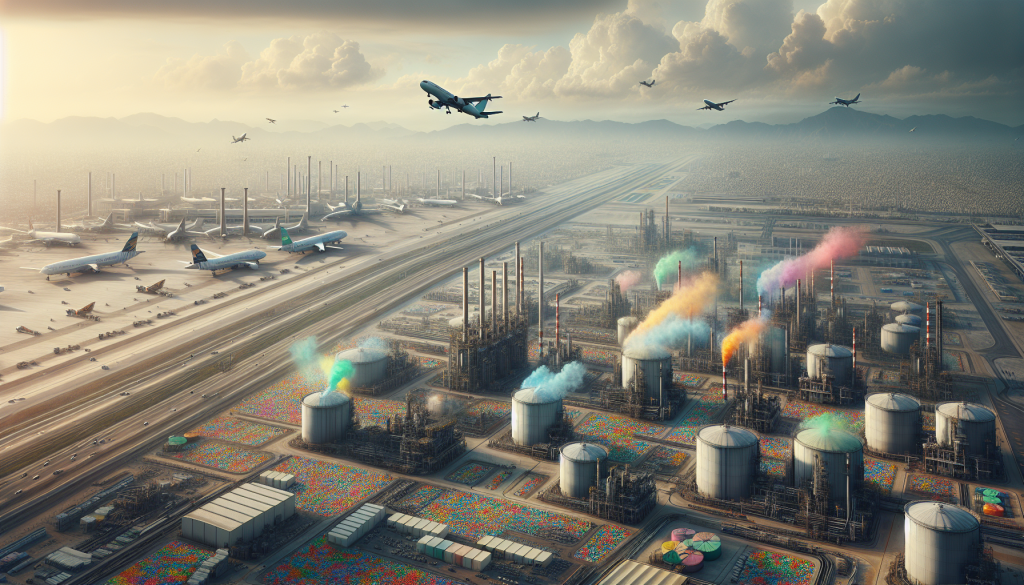
The conflict in Iran has triggered a surge in costs across a broad spectrum of industries, ranging from everyday materials like paint to high-value sectors including aviation. This escalation in prices is not only straining supply chains but also contributing to inflationary pressures worldwide. Businesses dependent on Iranian exports or regional stability are facing heightened uncertainty, complicating planning and investment decisions. The ripple effects extend beyond Iran’s borders, influencing global commodity markets and manufacturing costs.
Meanwhile, the war’s impact on the aviation industry is particularly significant, as disruptions in fuel supplies and increased insurance premiums for flights over conflict zones raise operational expenses. Airlines and manufacturers are forced to adjust their strategies, often passing higher costs onto consumers. This situation exacerbates the challenges already posed by post-pandemic recovery efforts, slowing growth in a critical economic sector. The broader industrial landscape is similarly affected, with raw material shortages and logistical hurdles becoming more common.
In a significant development, the prolonged conflict has darkened economic outlooks, prompting analysts to revise growth forecasts downward for the region and beyond. The uncertainty surrounding the war’s duration and intensity fuels market volatility, discouraging investment and trade. Governments and international organizations are monitoring the situation closely, aware that sustained instability could hinder global economic recovery. The ongoing crisis underscores the interconnectedness of geopolitical events and economic health in today’s globalized world.

Leave an opinion