

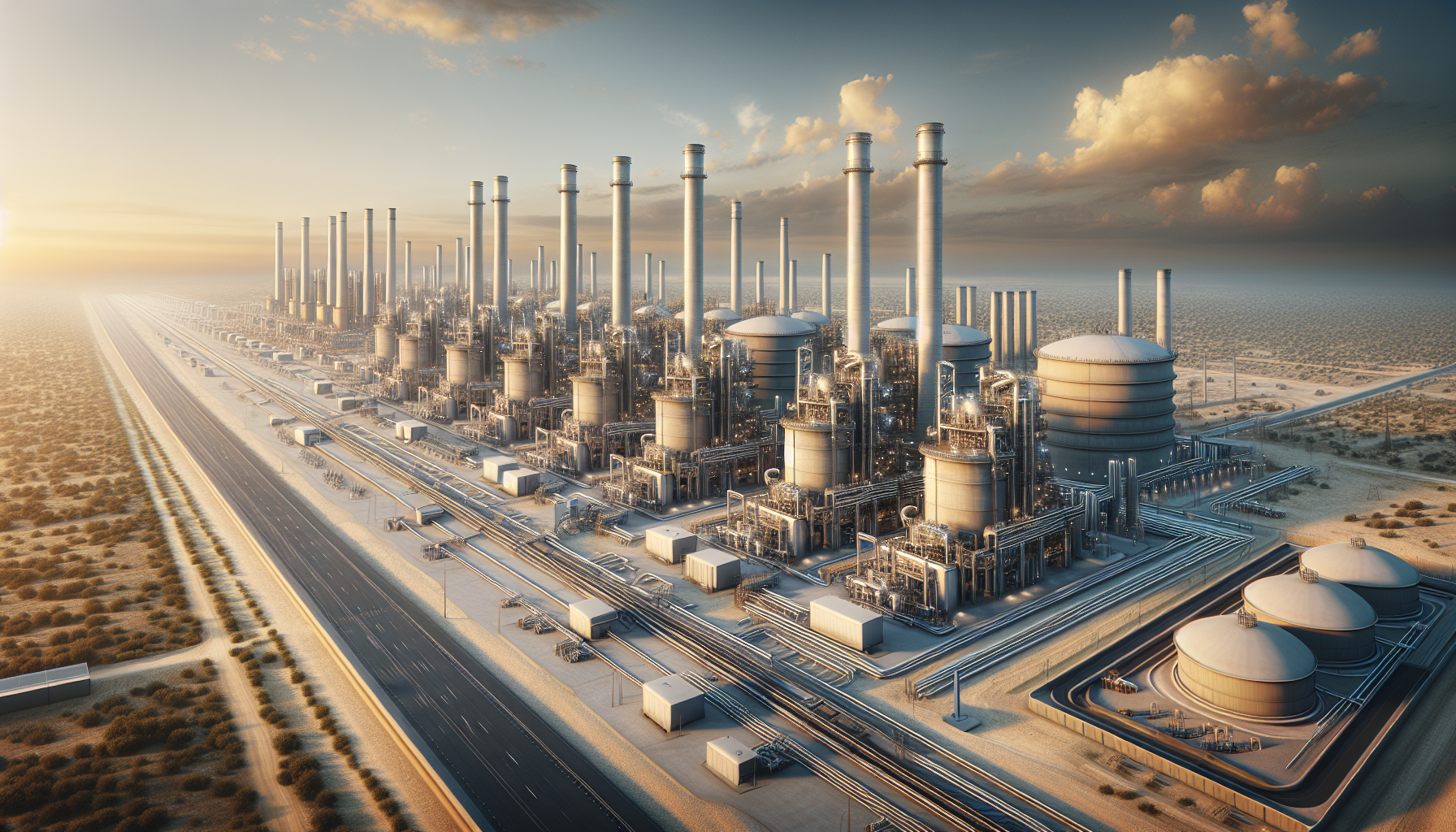
Pakistan is currently unable to utilize approximately 5,500 megawatts of electricity generation capacity due to a shortage of liquefied natural gas (LNG), as the country continues to face severe energy supply challenges. Several LNG-powered plants remain non-operational because of insufficient fuel availability, a spokesperson from the Power Division confirmed.
Although recent increases in hydroelectric power generation have somewhat alleviated widespread blackouts, the fundamental issue of LNG scarcity persists. Authorities emphasize that these LNG-based plants could quickly resume electricity production once fuel supplies are restored.
The nation requires around 400 million cubic feet of LNG daily to meet its energy demand. However, supply disruptions linked to the ongoing conflict involving the United States and Iran have severely impacted LNG shipments, especially through the strategically crucial Strait of Hormuz. Consequently, Pakistan has been experiencing daily power outages lasting several hours in recent weeks.
Pakistan’s energy sector, heavily reliant on imported fuel, remains vulnerable to global LNG market fluctuations and declining domestic gas production. Officials estimate that importing at least four LNG cargoes in the short term is essential to stabilizing the power supply and reducing outages.
In a significant development, Islamabad is exploring options to procure additional LNG shipments from the spot market. Azerbaijan’s state energy company, SOCAR, has expressed readiness to supply LNG to Pakistan upon a formal request through Pakistan LNG Limited. However, it is still unclear if such a request has been made or when deliveries might commence.
The ongoing energy shortfall highlights the broader challenges confronting Pakistan’s power sector, as external geopolitical tensions continue to disrupt supply chains and complicate efforts to maintain a reliable electricity supply across the country.
