

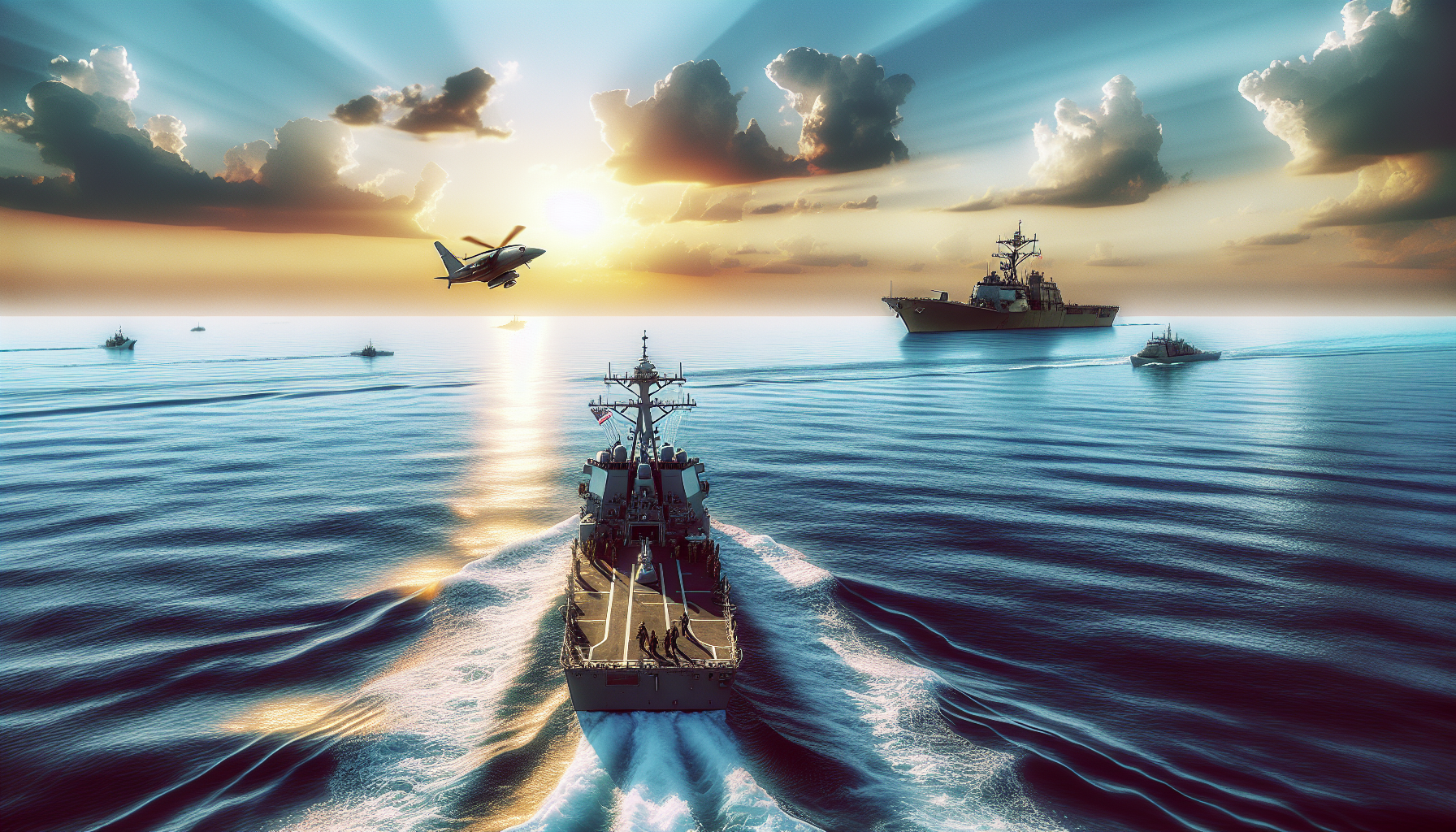
In a recent statement, former U.S. President Donald Trump reiterated his claim that Iran’s entire naval fleet has been sunk and now rests at the bottom of the sea. This bold assertion reflects his longstanding hardline position on Iran, particularly regarding its military capabilities and regional influence. Trump’s rhetoric often underscores a confrontational approach toward Tehran, aiming to project strength and deter aggression. Such statements contribute to ongoing tensions between the United States and Iran, which have fluctuated over the years due to nuclear negotiations and regional conflicts.
Historically, the U.S. and Iran have experienced strained relations since the 1979 Iranian Revolution, with naval confrontations occasionally occurring in the strategically vital Persian Gulf. The claim about Iran’s navy being destroyed is significant as it symbolizes a complete military defeat, which has not been independently verified. Meanwhile, Iran continues to maintain a substantial naval presence, including its Revolutionary Guard Corps Navy, which plays a crucial role in its defense strategy and regional power projection.
Notably, such declarations by prominent political figures can influence international perceptions and diplomatic relations. They may escalate tensions or impact negotiations related to Iran’s nuclear program and sanctions. The assertion also resonates with Trump’s political base, reinforcing his image as a decisive leader on national security issues. As the geopolitical landscape evolves, statements like these highlight the persistent volatility in U.S.-Iran relations and the broader implications for Middle Eastern stability.
