



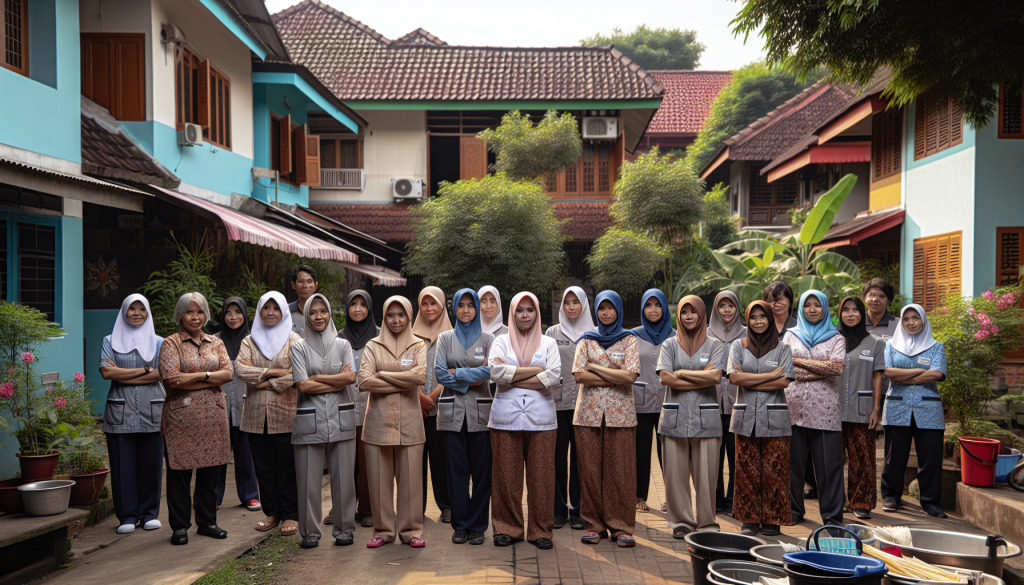
In a significant development, Indonesia has granted legal recognition to domestic workers following a prolonged 22-year campaign. This landmark decision acknowledges the rights and protections of a workforce that numbers approximately 4.2 million individuals. Notably, women constitute nearly 90% of this labor sector, highlighting the gendered nature of domestic work in the country. The move aims to improve working conditions and provide formal safeguards for these often vulnerable workers.
Domestic workers in Indonesia have historically faced challenges such as lack of social security, low wages, and limited legal protections. The new legal framework is expected to address these issues by establishing clear labor standards and mechanisms for dispute resolution. Meanwhile, this recognition aligns Indonesia with international labor conventions advocating for the rights of domestic workers. It also reflects growing awareness of the economic and social contributions made by this largely female workforce.
The impact of this legal recognition is anticipated to be far-reaching, potentially improving the livelihoods of millions and promoting gender equality in the labor market. It may also encourage other countries in the region to follow suit in formalizing protections for domestic workers. As Indonesia moves forward with implementation, monitoring and enforcement will be critical to ensure that the rights enshrined in law translate into tangible benefits on the ground.

Leave an opinion