



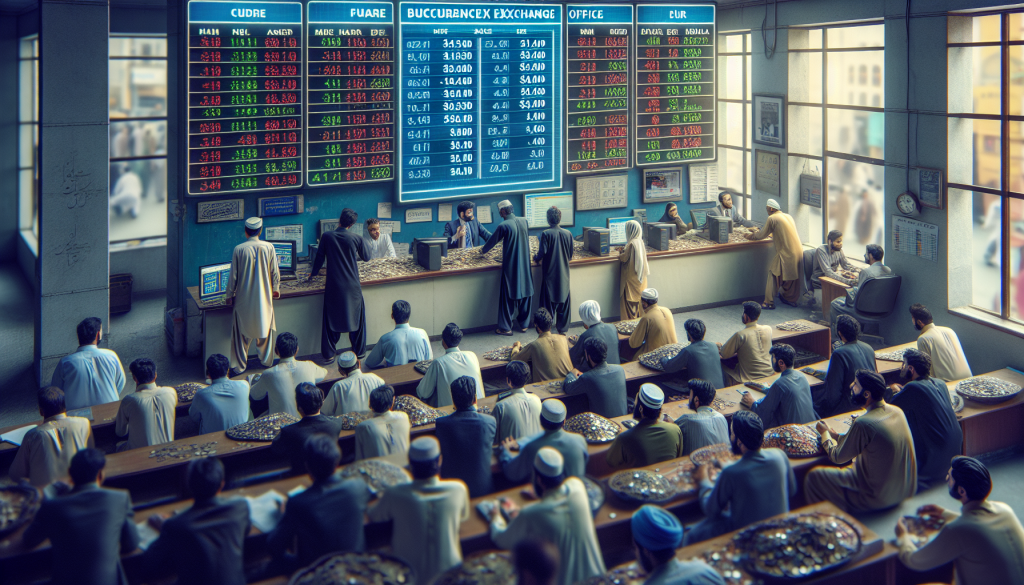
On April 21, 2026, the Pakistani rupee’s exchange rates against the US dollar and other prominent foreign currencies were officially updated. These rates play a crucial role in shaping Pakistan’s import-export dynamics and influence inflationary trends within the country. Fluctuations in currency values can affect the cost of goods, foreign investment, and overall economic stability.
Currency exchange rates are closely monitored by businesses, financial institutions, and policymakers to make informed decisions regarding trade agreements and monetary policies. The US dollar remains the dominant currency influencing Pakistan’s foreign exchange market, while rates for other currencies such as the euro, pound sterling, and yen also impact international transactions. Maintaining a balanced exchange rate is vital for Pakistan’s economic growth and competitiveness in global markets.
In a significant development, these updated rates reflect ongoing economic conditions, including external debt obligations, foreign reserves, and geopolitical factors. Traders and investors use this data to strategize currency trading and hedge against risks. Meanwhile, the general public may experience the effects of these rates through changes in prices of imported goods and services, highlighting the broader impact of currency valuation on everyday life in Pakistan.

Leave an opinion