



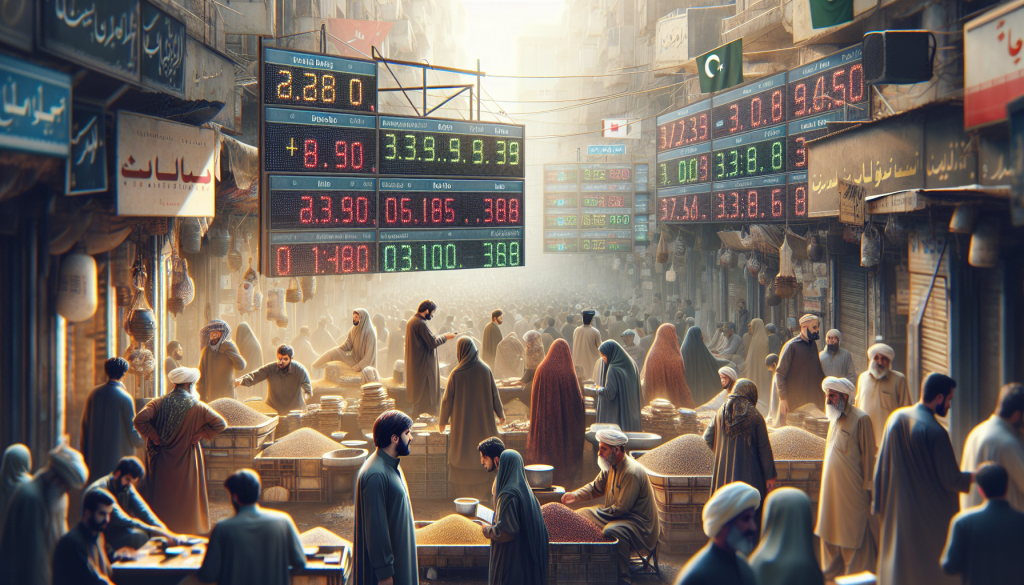
On April 21, 2026, the exchange rate of the Iranian Rial in Pakistan was closely monitored amid fluctuating economic conditions in the region. Currency rates between Pakistan and Iran play a crucial role in facilitating bilateral trade, especially given the geographic proximity and shared economic interests. Changes in the Rial’s value can impact import-export dynamics, affecting businesses and consumers on both sides of the border.
Notably, the Iranian economy has faced various challenges, including international sanctions and inflationary pressures, which influence the Rial’s performance against foreign currencies. Meanwhile, Pakistan’s economic policies and foreign exchange reserves also contribute to the Rial’s valuation in the local market. Traders and financial institutions in Pakistan keep a close watch on these rates to manage risks and capitalize on trade opportunities.
In a significant development, fluctuations in the Iranian Rial rate can affect cross-border trade costs, remittances, and investment flows between the two countries. Stability in exchange rates is essential for fostering stronger economic ties and ensuring smoother commercial transactions. As regional economic conditions evolve, the Rial’s exchange rate in Pakistan will remain a key indicator of broader financial and diplomatic relations.

Leave an opinion