



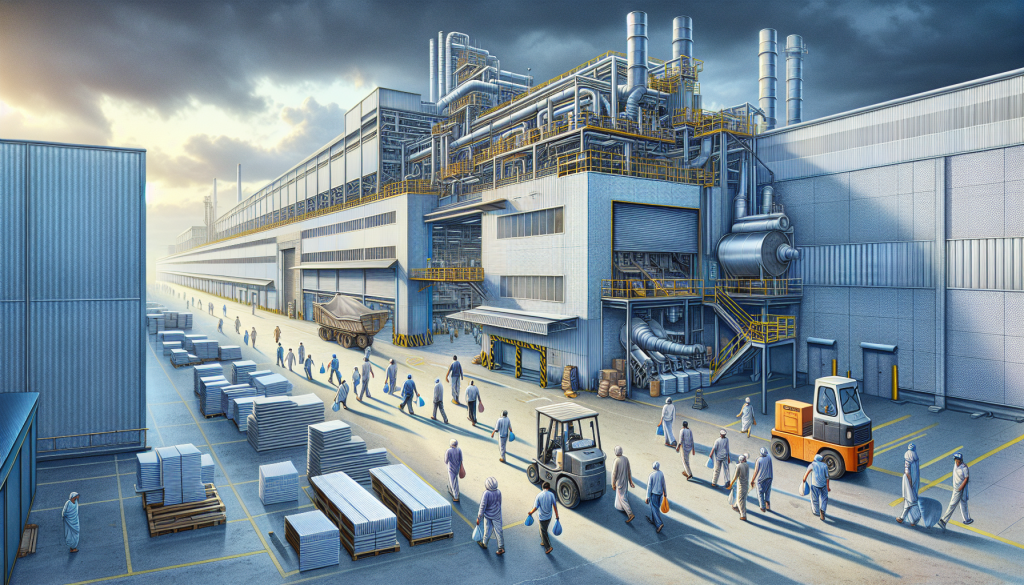
The ceramics manufacturing sector in Morbi, Gujarat, has experienced severe disruptions due to an ongoing fuel crisis exacerbated by the conflict in Iran. This situation has forced the majority of ceramic units to halt operations temporarily, leading to widespread layoffs among workers who depend on this industry for their livelihood. The economic strain has not only affected factory owners but also the local workforce, many of whom are now compelled to seek employment elsewhere.
Morbi, known as a major hub for ceramic tile production in India, plays a crucial role in both domestic and international markets. The fuel shortage has increased production costs and reduced output, undermining the competitiveness of this key industrial cluster. Meanwhile, the closure of factories has triggered a reverse migration trend, with displaced workers returning to their native villages, impacting the socio-economic fabric of the region.
In a significant development, the crisis highlights the vulnerability of regional industries to global geopolitical tensions and supply chain disruptions. The fallout from the Iran war extends beyond international borders, directly influencing local economies dependent on energy supplies. Addressing these challenges will require coordinated efforts to stabilize fuel availability and support affected workers to prevent long-term economic decline in Morbi’s ceramic sector.

Leave an opinion