

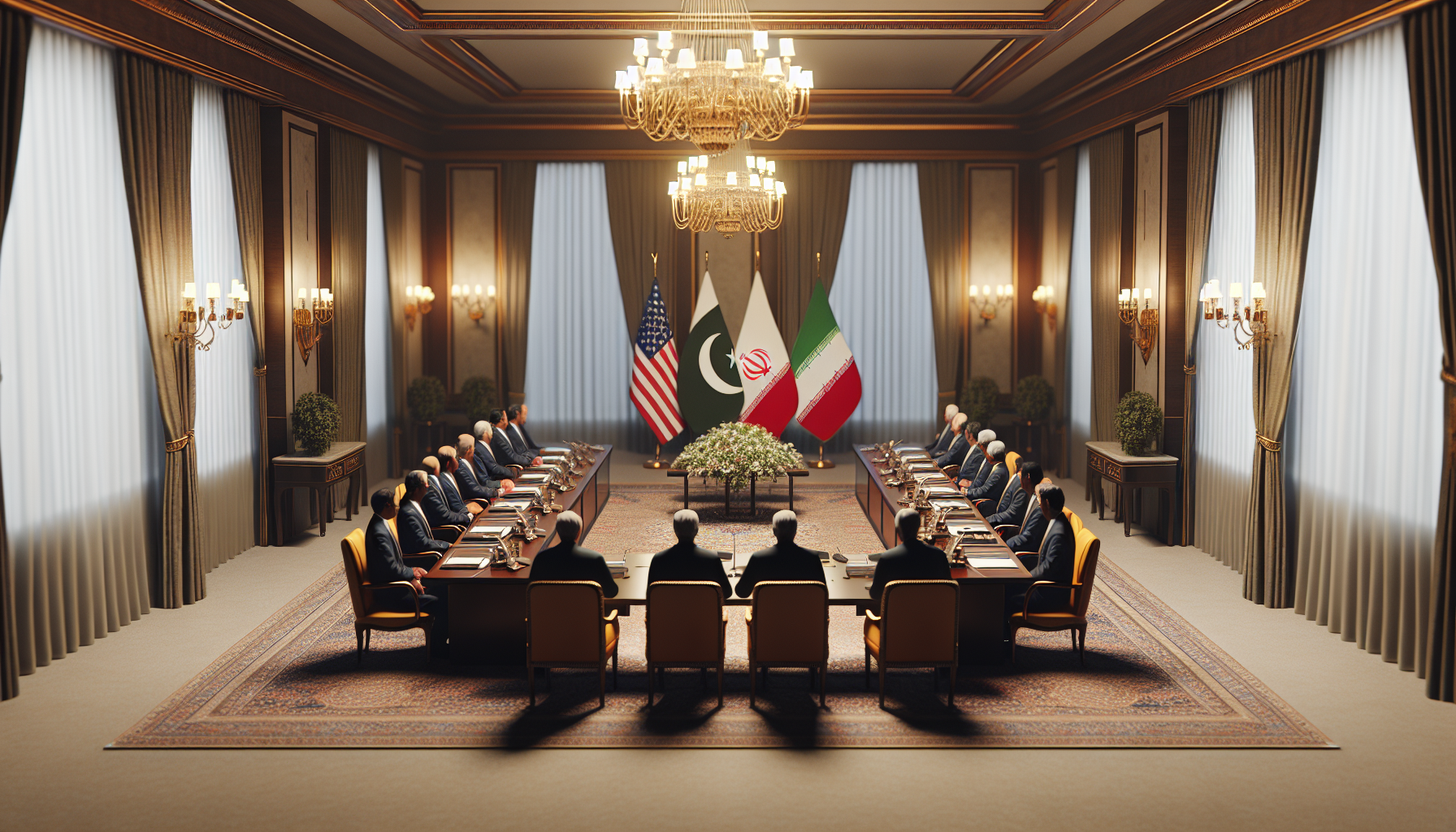
The United States and Iran are set to engage in another round of direct negotiations in Pakistan on Tuesday. These talks come amid ongoing efforts to resolve longstanding tensions between the two nations, particularly concerning nuclear agreements and regional security. However, there is growing uncertainty about whether Iranian representatives will participate, casting doubt on the prospects for progress. The outcome of these discussions could significantly influence diplomatic relations and stability in the Middle East.
These negotiations follow previous rounds aimed at reviving the 2015 nuclear deal, which the US withdrew from in 2018, leading to heightened hostilities. Pakistan’s role as a neutral venue highlights its strategic position in facilitating dialogue between conflicting parties. Meanwhile, the international community watches closely, hoping for a breakthrough that could ease sanctions and reduce geopolitical risks. The potential absence of Iran could stall momentum and complicate future diplomatic initiatives.
In a significant development, the success or failure of these talks will impact not only bilateral relations but also broader regional dynamics involving key players like Saudi Arabia and Israel. Should Iran choose to skip the meeting, it may signal deeper disagreements or strategic recalculations. Conversely, active engagement could pave the way for renewed cooperation and conflict de-escalation. The world awaits confirmation of Iran’s participation and the subsequent direction of this critical diplomatic effort.
