

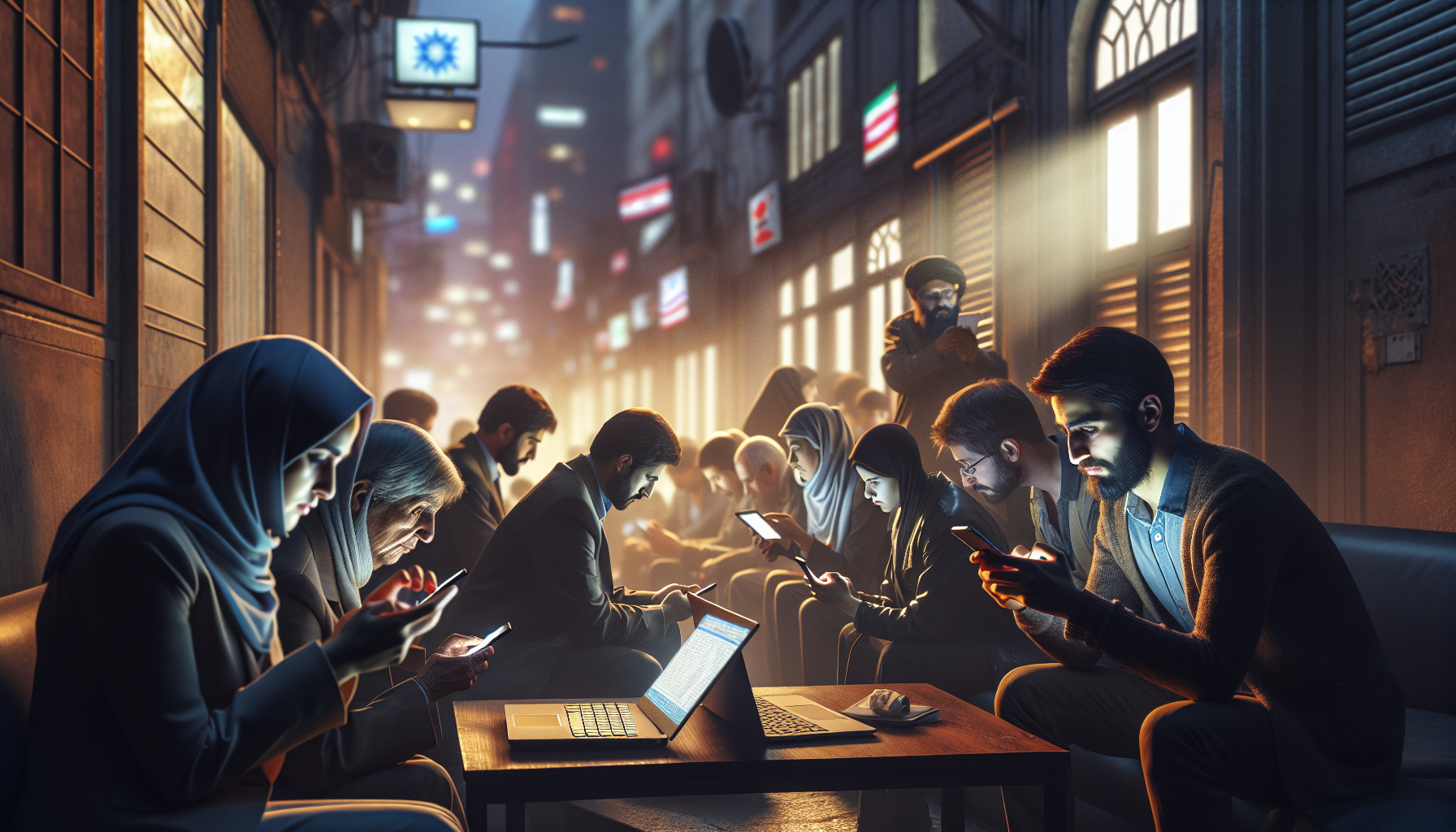
In a significant development, Iran has expanded limited internet access to a larger segment of its population. This move allows more Iranians to connect to a controlled version of the internet, often referred to as a ‘privilege’ due to its restricted nature. Despite this expansion, the majority of users continue to experience severe limitations, with many websites and social media platforms remaining inaccessible. The government maintains tight control over online content, citing security and political reasons for these restrictions.
Internet censorship in Iran has been a longstanding issue, especially during periods of political unrest and protests. Authorities frequently throttle or block access to global internet services to curb the spread of dissenting views and maintain social order. The partial easing of restrictions may be an attempt to balance public demand for connectivity with the regime’s desire to control information flow. However, this controlled access still falls short of providing full digital freedom to the Iranian people.
The impact of these internet policies is profound, affecting education, business, and communication within the country. Limited access hampers economic opportunities and isolates Iranians from the global digital community. Meanwhile, activists and human rights organizations continue to call for unrestricted internet access as a fundamental right. The ongoing restrictions highlight the broader struggle between authoritarian governance and the digital age’s demand for open information.
