

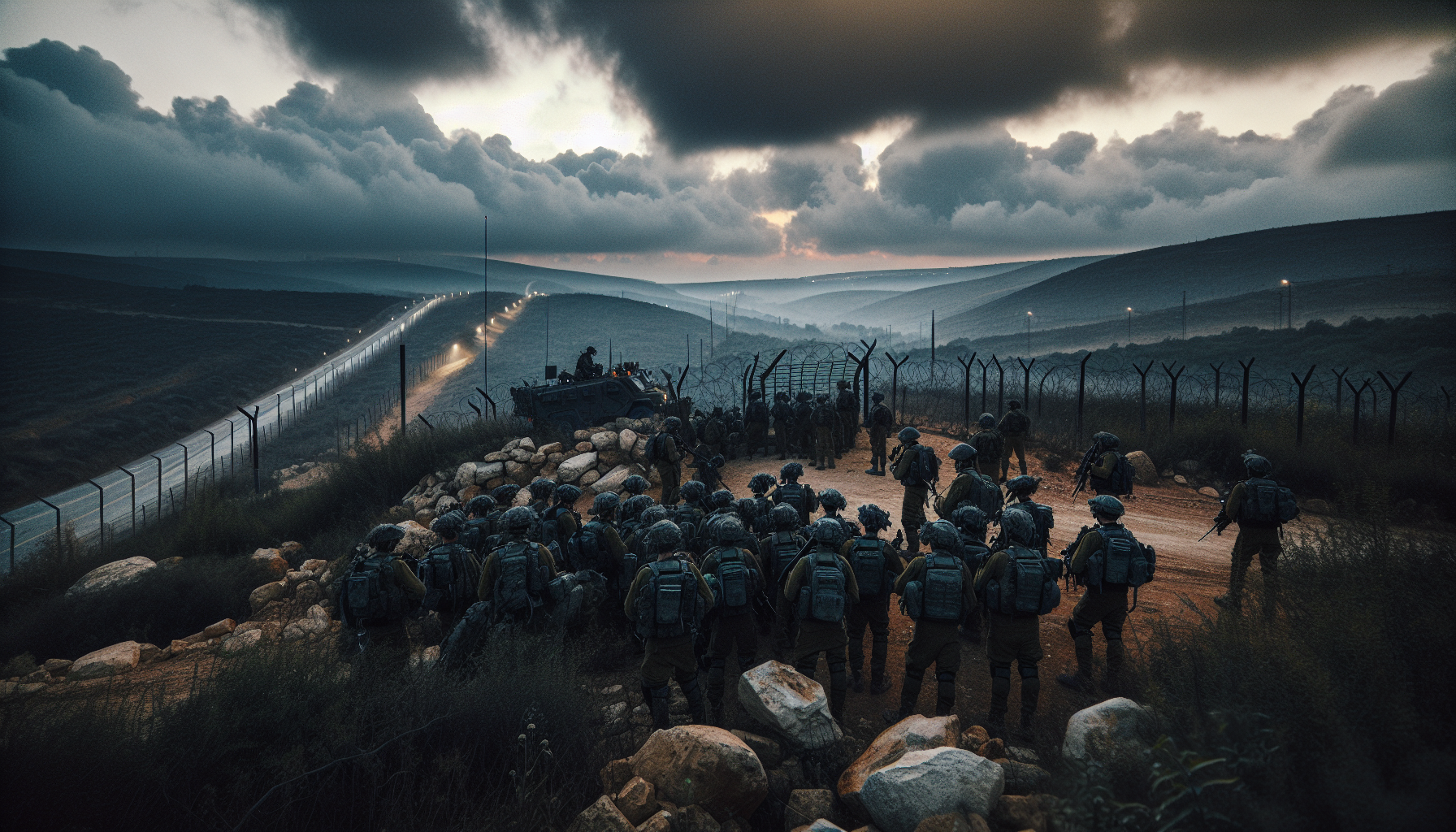
In a significant development in the ongoing conflict between Israel and Hezbollah, Israel has established a so-called ‘yellow line’ in southern Lebanon. This demarcation aims to serve as a buffer zone to prevent further hostilities following the recent fragile ceasefire agreement. The move reflects Israel’s strategic efforts to maintain security along its northern border and deter any violations by Hezbollah forces. The ceasefire, while holding for now, remains delicate amid longstanding tensions in the region.
Hezbollah, a powerful Lebanese militant group backed by Iran, has historically clashed with Israel, leading to multiple conflicts over the years. The establishment of the ‘yellow line’ is intended to reduce the risk of accidental or intentional escalations by clearly defining operational boundaries. Meanwhile, international actors continue to monitor the situation closely, urging both sides to uphold the ceasefire and engage in diplomatic dialogue. The fragile peace remains vulnerable to provocations from either party.
The implications of this development extend beyond immediate security concerns, as southern Lebanon has long been a flashpoint for broader regional rivalries. The ‘yellow line’ could either stabilize the border or become a new source of friction if not respected. Analysts highlight the importance of sustained diplomatic efforts to prevent a return to open conflict, which would have severe humanitarian and geopolitical consequences. The international community remains watchful as the situation evolves.
