



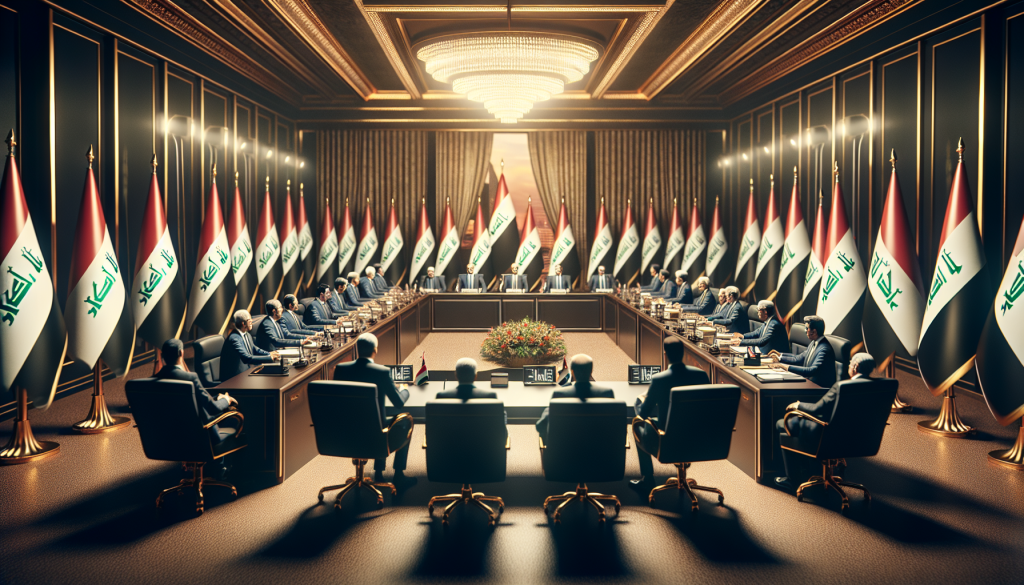
Iraq’s dominant Shia political faction is under pressure to finalize the selection of a new prime minister amid growing internal disagreements. The urgency to resolve leadership disputes comes as the country grapples with political instability and competing interests within the Shia parliamentary bloc. This faction plays a crucial role in shaping Iraq’s government, making the decision highly significant for the nation’s future governance and stability.
In a notable development, Ismail Qaani, commander of Iran’s Quds Force, visited Iraq at the request of Prime Minister Mohammed Shia al-Sudani. Qaani’s involvement underscores Tehran’s vested interest in Iraq’s political landscape, reflecting the broader regional influence Iran seeks to maintain. Meanwhile, Washington is also closely observing the situation, highlighting the geopolitical tug-of-war between the US and Iran over Iraq’s leadership.
The outcome of this leadership contest will have far-reaching implications for Iraq’s domestic policy and international relations. A stable government could help address pressing economic and security challenges, while prolonged divisions risk further instability. The Shia bloc’s decision will likely influence Iraq’s alignment between competing foreign powers, shaping the country’s trajectory in the volatile Middle East region.

Leave an opinion