



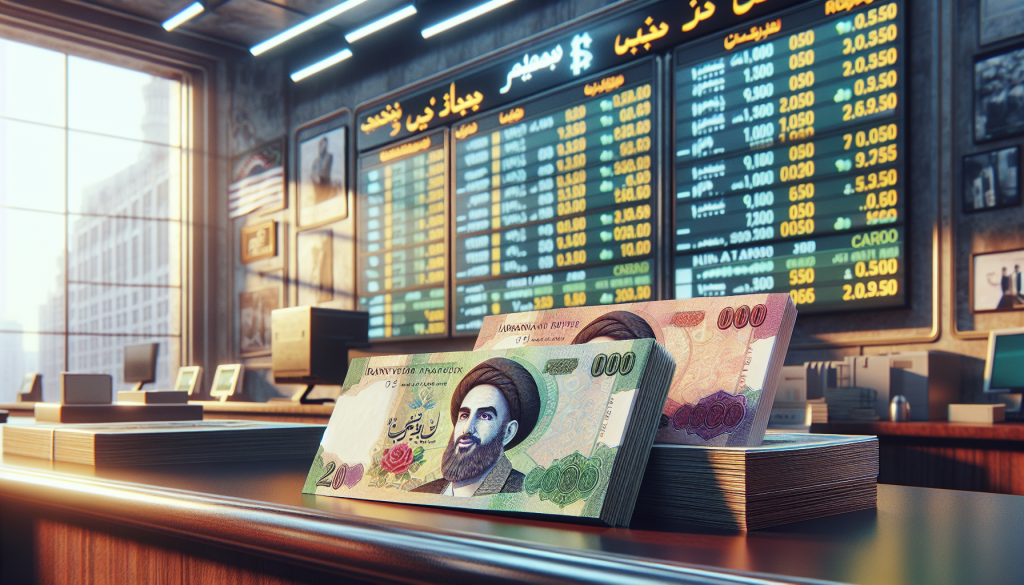
On April 20, 2026, the exchange rate of the Iranian rial in Pakistan was closely monitored by traders and businesses engaged in cross-border commerce. The rial’s valuation against the Pakistani rupee plays a critical role in facilitating trade between the two neighboring countries, influencing import-export costs and investment decisions. Currency fluctuations often reflect broader economic conditions, including sanctions on Iran and Pakistan’s monetary policies.
In a significant development, the rial’s rate on this date highlighted the ongoing challenges and opportunities within the regional economic landscape. Iran’s economy, affected by international sanctions and domestic reforms, impacts the rial’s strength, which in turn affects Pakistani importers relying on Iranian goods. Meanwhile, Pakistan’s foreign exchange reserves and inflation rates also contribute to the rial’s exchange rate dynamics.
Understanding the rial’s rate in Pakistan is vital for businesses and policymakers aiming to stabilize trade relations and economic cooperation. The currency’s performance can affect bilateral trade volumes, pricing strategies, and economic forecasts. As both countries seek to enhance economic ties, monitoring such exchange rates remains essential for strategic planning and economic resilience in the region.

Leave an opinion