

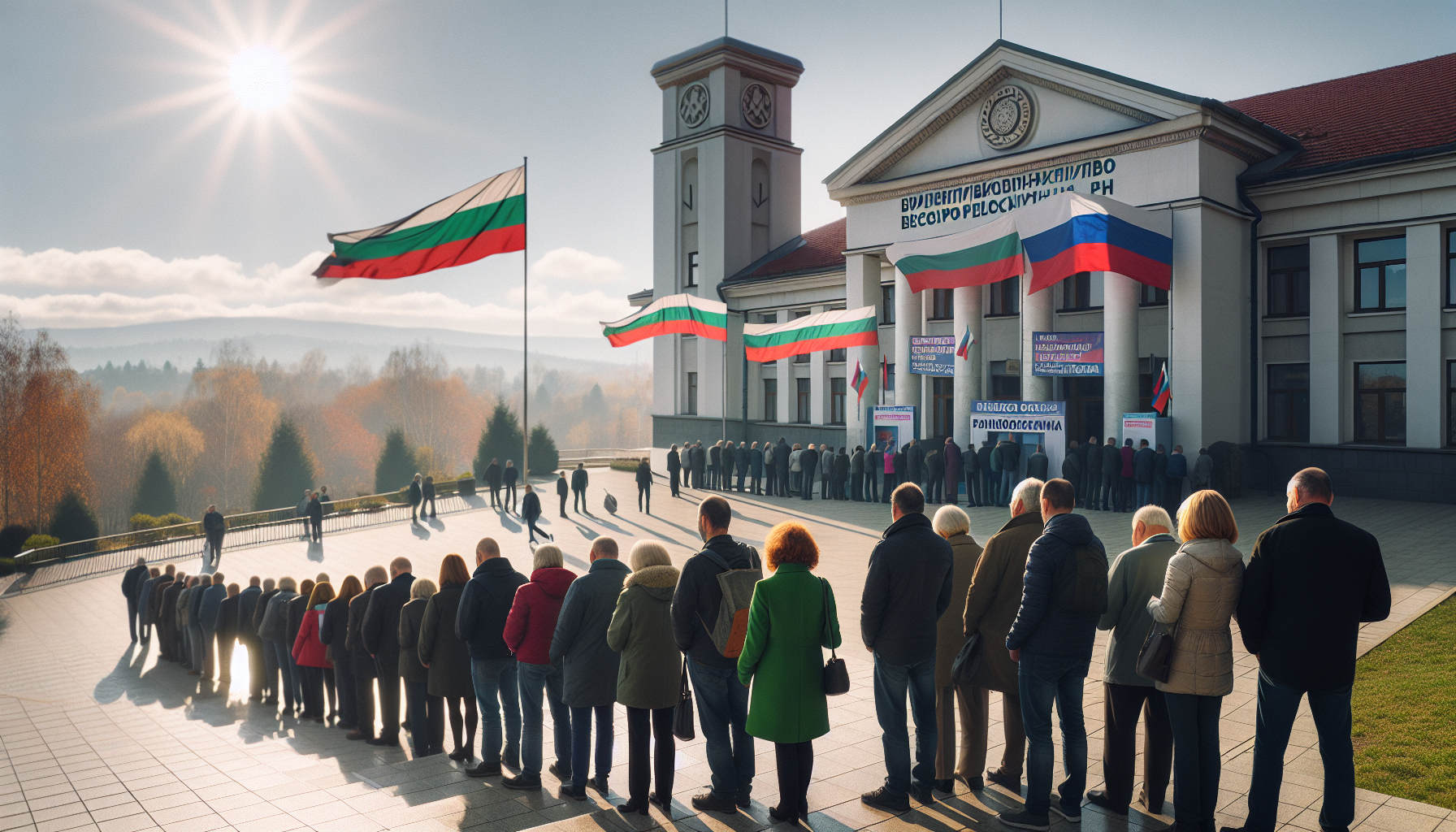
Bulgaria is on the verge of a significant political shift as its former president, who has maintained a pro-Kremlin stance, is projected to achieve a landslide victory in the forthcoming election. This development highlights the growing influence of Russia-friendly sentiments within the Bulgarian electorate, reflecting broader regional dynamics. The former leader’s popularity stems from his previous tenure and his alignment with Moscow’s policies, which resonates with a substantial portion of the population.
In a significant development, this anticipated electoral outcome could reshape Bulgaria’s foreign relations, especially its position within the European Union and NATO. Historically, Bulgaria has balanced its Western alliances with pragmatic ties to Russia, but a decisive win for a Kremlin-friendly figure may tilt this balance. Analysts suggest that such a victory might lead to a reevaluation of Bulgaria’s stance on sanctions against Russia and cooperation on energy and security matters.
Meanwhile, the election results are being closely watched by international observers, as they may signal broader geopolitical shifts in Eastern Europe. The rise of pro-Russian leadership in Bulgaria could influence neighboring countries and impact regional stability. This election underscores the complex interplay between domestic politics and international alignments in a strategically important EU member state.
