



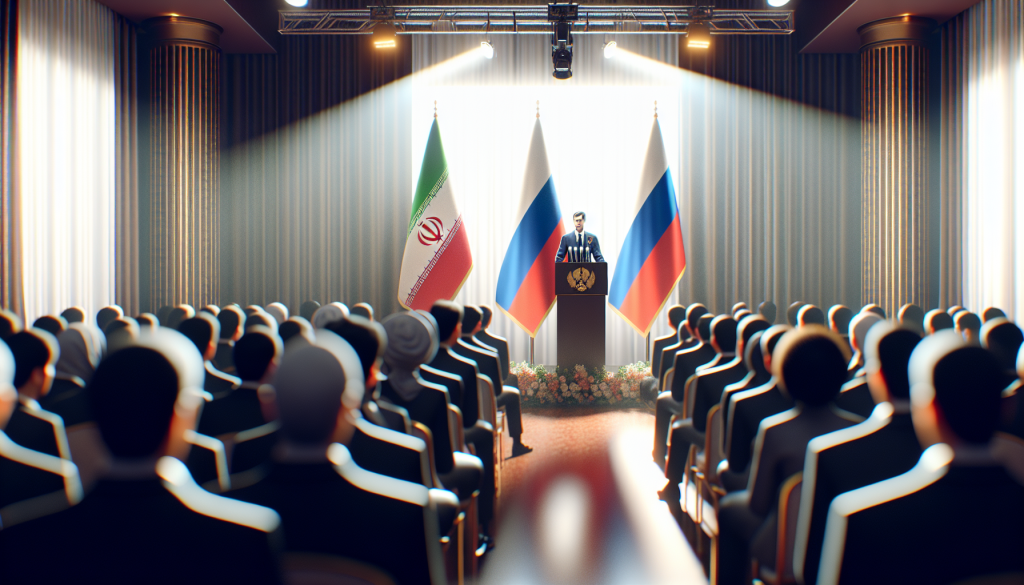
Iran’s Ambassador to Russia, Kazem Jalali, has categorically denied allegations that Moscow supplied Tehran with sensitive intelligence during recent military confrontations. Speaking in Moscow, he described these claims as entirely unfounded and part of a broader misinformation effort aimed at undermining Iran’s autonomous defensive strength.
This statement comes at a pivotal moment in Middle Eastern geopolitics, where the strengthening security partnership between Russia and Iran has attracted considerable international attention and concern from Western intelligence agencies.
Ambassador Jalali emphasized that the narrative suggesting Russian assistance is a deliberate attempt to overshadow Iran’s own military technological progress. He asserted that the recent successful detection and neutralization of threats were accomplished solely through Iran’s domestic expertise and indigenous defense systems.
By publicly rejecting dependence on Russian intelligence, the ambassador seeks to bolster Iran’s image as a self-reliant regional power. Analysts note that such denials are typical in the bilateral relationship, which often maintains strategic ambiguity to avoid provoking additional international sanctions.
While dismissing specific accusations of intelligence sharing, Jalali highlighted the “unstoppable momentum” of the broader Russo-Iranian alliance. He confirmed that the two countries are close to finalizing a landmark long-term cooperation agreement, expected to formalize joint projects in satellite communications and maritime security.
This development indicates that despite denying tactical-level collaboration on particular operations, the structural integration of their defense and security sectors is advancing rapidly. The denial appears to be a calculated diplomatic maneuver to mitigate global backlash rather than a sign of discord between the two nations.

Leave an opinion