

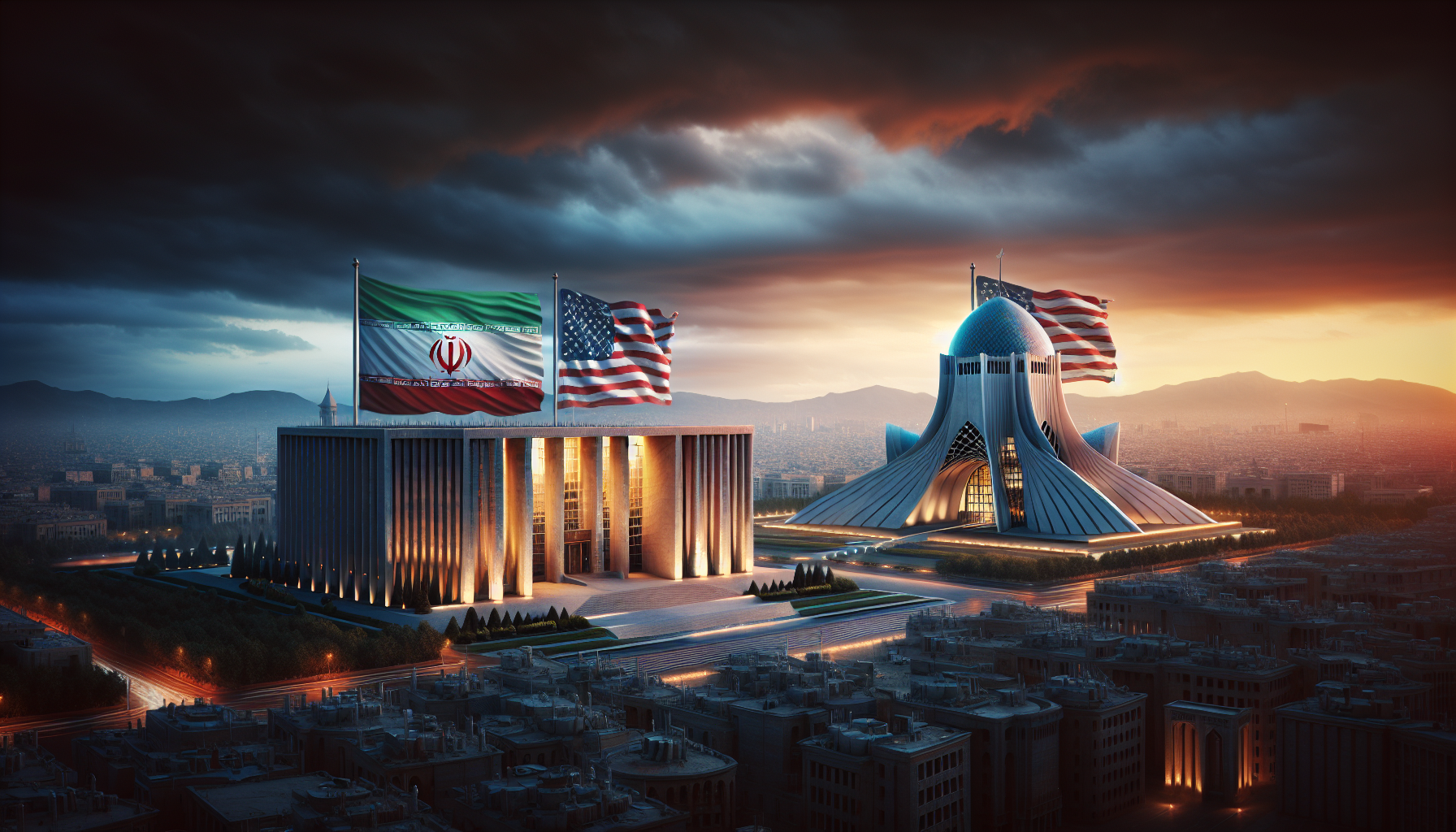
In a significant development, Iran has firmly rejected the prospect of negotiations with the United States, citing what it describes as unrealistic demands from Washington. This stance comes amid escalating tensions between the two countries, which have been marked by a series of confrontations and diplomatic stand-offs in recent years. The refusal to engage in talks signals a deepening impasse that complicates efforts to resolve ongoing disputes, particularly concerning Iran’s nuclear program and regional influence.
Historically, US-Iran relations have been fraught with mistrust and conflict, especially following the US withdrawal from the 2015 nuclear deal in 2018. Since then, both sides have imposed sanctions and taken measures that have heightened hostilities. Iran’s rejection of dialogue at this juncture underscores the challenges facing international diplomacy aimed at de-escalating the crisis and finding a mutually acceptable path forward.
Meanwhile, the international community watches closely as the situation unfolds, with concerns that continued stalemate could lead to further instability in the Middle East. The refusal to negotiate may harden positions on both sides, reducing the likelihood of a peaceful resolution and potentially impacting global security and energy markets. This development highlights the urgent need for renewed diplomatic efforts to bridge the divide and prevent further escalation.
