

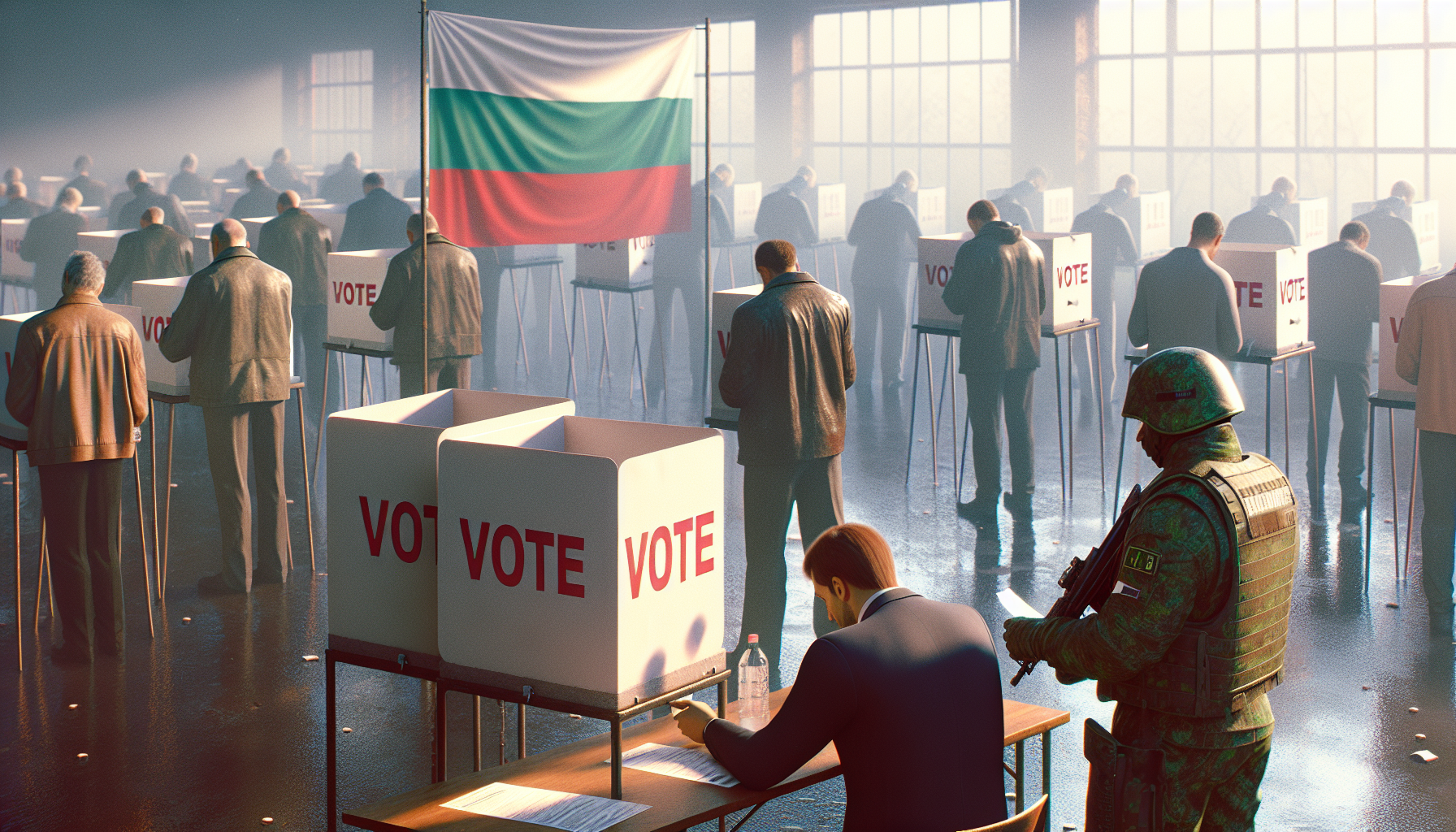
Bulgaria is gearing up for its eighth national election in just four years, a clear sign of persistent political instability and societal divisions. Since 2019, the country has struggled to form a stable government, leading to repeated electoral cycles that have tested public patience and confidence in democratic processes. This frequent electoral turnover highlights the challenges Bulgaria faces in achieving political consensus and effective governance.
Notably, the repeated elections stem from fragmented political landscapes and competing interests among various parties, which have hindered the formation of lasting coalitions. The ongoing political deadlock has impacted Bulgaria’s ability to implement reforms and address pressing economic and social issues. Meanwhile, citizens express growing frustration over the lack of political continuity and the uncertainty it brings to the country’s future.
In a significant development, the upcoming election is seen as a critical juncture for Bulgaria to break the cycle of instability and restore public trust in its institutions. The outcome will likely influence Bulgaria’s domestic policies and its role within the European Union. Observers emphasize that resolving these divisions is essential for the nation’s democratic resilience and long-term progress.
