



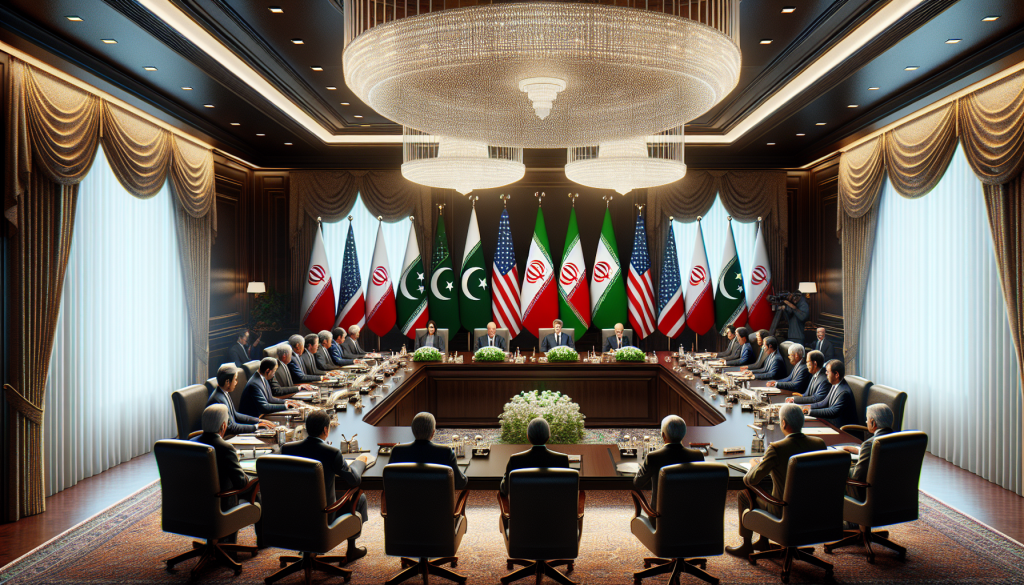
Pakistan is preparing to host a second round of negotiations between the United States and Iran later this week, following renewed indications from both parties of their willingness to continue diplomatic efforts despite the first round ending without a definitive agreement. Recent diplomatic gestures from Washington and Tehran have heightened expectations that Islamabad will once again serve as the venue for these critical talks.
The initial meeting in Islamabad took place three days after the ceasefire announcement last Wednesday, marking the first direct dialogue between senior American and Iranian officials in over ten years and the highest-level engagement since Iran’s 1979 Islamic Revolution. This inaugural round brought together top delegations from both countries for intensive, closed-door discussions aimed at resolving weeks of escalating conflict.
These trilateral talks in Islamabad extended nearly 21 hours, beginning on the afternoon of April 11, underscoring the complexity and high stakes involved. However, the discussions concluded without a breakthrough, and tensions subsequently intensified as the US conducted military actions targeting Iranian maritime activities. In response, Tehran issued warnings of retaliatory measures against regional shipping lanes and Gulf infrastructure.
Iranian representatives have expressed their readiness to engage in further negotiations, emphasizing that Pakistan remains their preferred location for a second round. Meanwhile, US President Donald Trump indicated to the New York Post that talks could resume in Pakistan within the next two days. He encouraged staying in Islamabad, suggesting that significant developments might occur shortly. Trump also commended Field Marshal Asim Munir, Chief of Defence Forces and Chief of Army Staff, for his effective role in facilitating the discussions, describing him as “fantastic” and reinforcing the likelihood of returning to Pakistan for continued talks.
Separately, a proposal has been presented to both Washington and Tehran to dispatch delegations for renewed negotiations, with Islamabad actively coordinating the timing, potentially over the upcoming weekend. This outreach has reportedly been met with a positive response from Iranian officials, who have shown openness to continuing dialogue. A senior Pakistani official confirmed ongoing contact with Iran, highlighting Tehran’s willingness to pursue diplomatic channels further.
These developments align with Prime Minister Shehbaz Sharif’s earlier statements, where he acknowledged that although the first round of talks in Islamabad was inconclusive, Pakistan remains committed to bridging differences between the two sides. He informed the federal cabinet that Pakistan played a crucial role in facilitating the initial face-to-face engagement at such a senior level and contributed to sustaining the two-week ceasefire. Diplomatic efforts are ongoing to address unresolved issues between Washington and Tehran.
The Middle East conflict began on February 28 when the United States and Israel launched a joint bombing campaign against Iran. The situation escalated as Iran disrupted the Strait of Hormuz and targeted Israeli and US interests across the region. This conflict has severely impacted global financial markets and resulted in thousands of civilian casualties, primarily in Iran and Lebanon.

Leave an opinion