

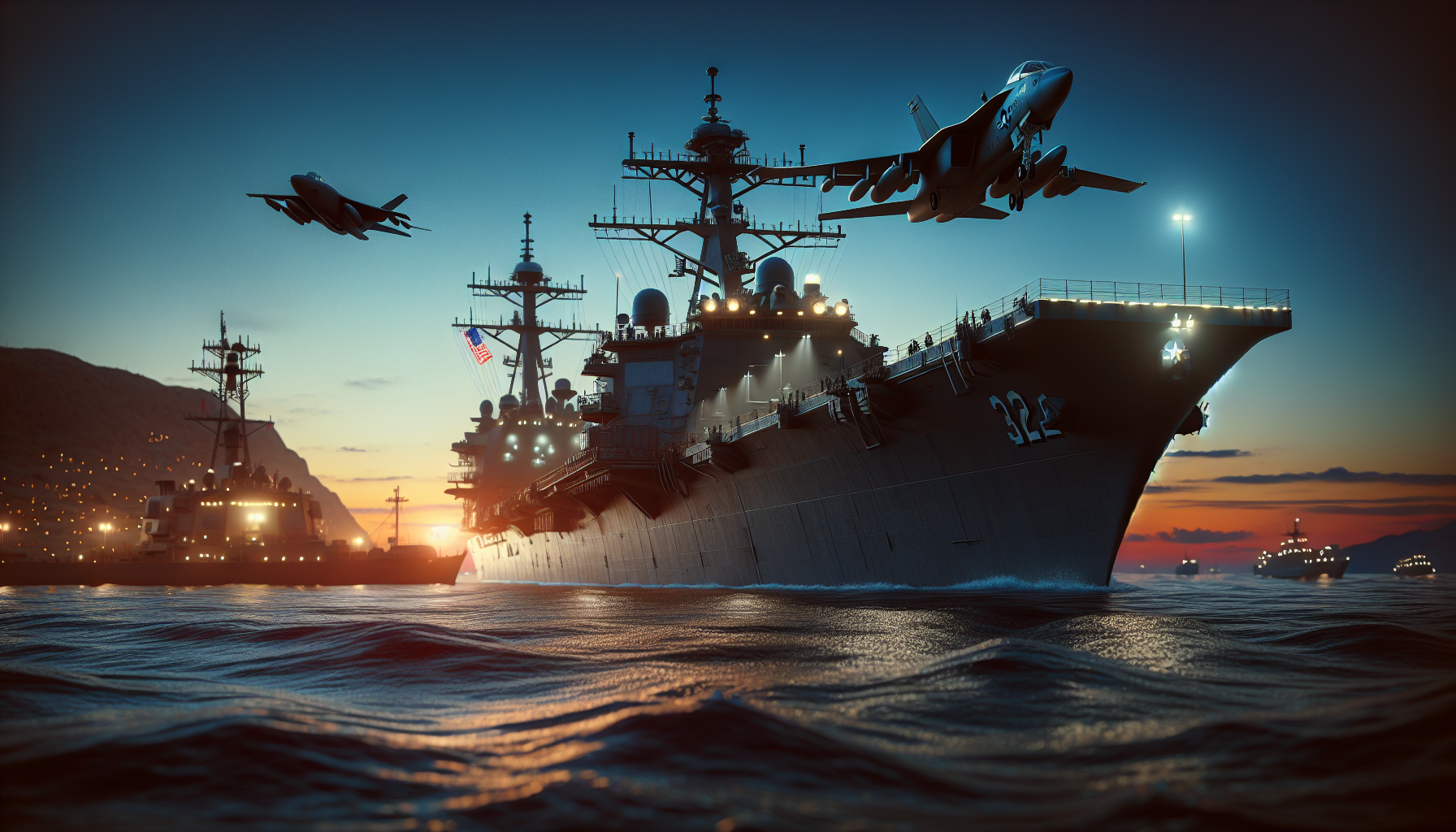
The United States Central Command has announced a comprehensive blockade of Iranian ports, effectively halting all economic trade through these maritime gateways. This operation involves a significant deployment of more than 10,000 military personnel, supported by a fleet of warships and aircraft, underscoring the scale and seriousness of the mission. The blockade aims to exert maximum pressure on Iran by cutting off critical trade routes, impacting the country’s economy and regional influence.
In a significant development, this blockade represents one of the most extensive naval and air operations in the region, reflecting heightened tensions between the US and Iran. The strategic use of both sea and air forces ensures tight control over maritime traffic, preventing any goods from entering or leaving Iranian ports. This move is likely to escalate geopolitical friction and could have broader implications for international shipping and energy markets, given Iran’s role in global oil exports.
Meanwhile, the blockade’s enforcement highlights the US military’s capability to mobilize large-scale joint operations involving multiple branches of the armed forces. The presence of thousands of troops alongside naval and aerial assets demonstrates a coordinated effort to maintain maritime dominance and enforce sanctions. The impact on Iran’s economy could be profound, potentially influencing diplomatic negotiations and regional security dynamics in the near future.
