



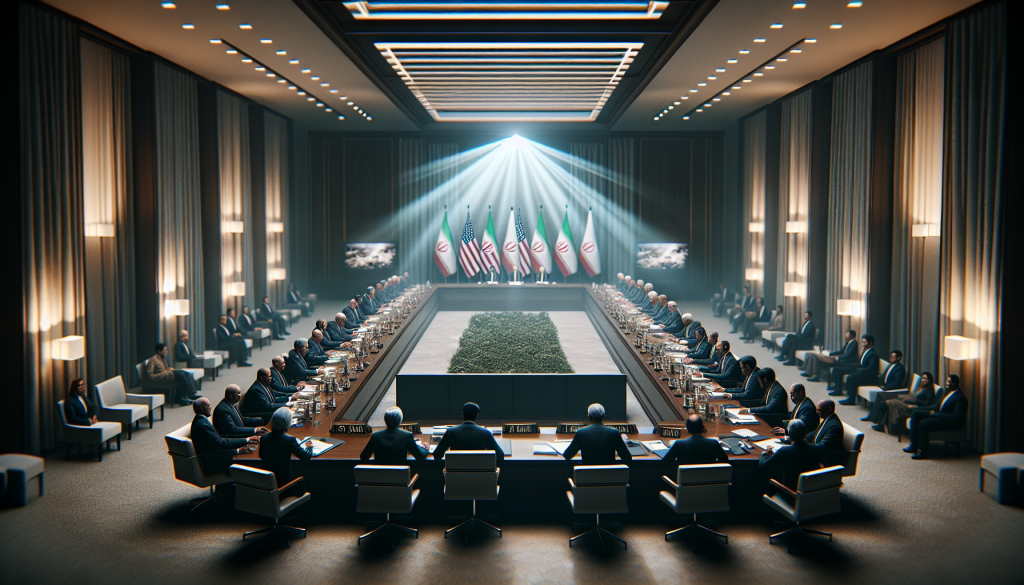
Negotiators from the United States and Iran are expected to reconvene in Islamabad later this week for a second round of discussions, following last weekend’s high-level meeting that ended without a formal agreement but maintained diplomatic engagement. This initial encounter marked the most significant direct dialogue between Washington and Tehran in decades.
Despite the lack of a breakthrough, the talks did not collapse, leaving room for further negotiations. Efforts are underway to finalize the dates for the next session, with both parties tentatively keeping the end of the week open. Pakistan has taken an active role in coordinating logistics and encouraging a swift resumption of talks by communicating with both capitals.
Simultaneously, extending the fragile ceasefire remains a critical priority. Brokered earlier this month amid escalating tensions, the truce is scheduled to expire on April 22 and is viewed as increasingly precarious. Prime Minister Shehbaz Sharif informed the federal cabinet that although the ceasefire faces challenges, it remains intact. He emphasized Pakistan’s commitment to resolving outstanding issues and sustaining the momentum generated by the initial negotiations.
Diplomatic intermediaries are urging both sides to agree on at least a 45-day extension of the truce to allow more time for talks and reduce the risk of renewed hostilities.
However, substantial differences persist. The United States continues to demand rigorous oversight of Iran’s nuclear program, including strict verification processes and control over enriched uranium. Conversely, Iran rejects what it perceives as excessive demands, insisting that any deal must respect its international legal rights and include meaningful sanctions relief.
Complications also arise from disagreements over sequencing. Washington seeks initial concessions from Tehran, whereas Iran calls for guarantees and confidence-building measures before committing to irreversible steps.
Public rhetoric from both sides highlights these challenges. US Vice President JD Vance stated that Washington had presented its “final and best offer,” placing the onus on Tehran to respond. Meanwhile, US President Donald Trump indicated that communication channels remain open, noting that Iranian representatives had made contact following the talks.
Iranian officials have criticized the US stance. President Masoud Pezeshkian reaffirmed Tehran’s intention to continue negotiations within the framework of international law, while Foreign Minister Abbas Araghchi accused Washington of imposing unrealistic conditions that impede progress.
Following the Islamabad meeting, Pakistan has intensified diplomatic outreach to garner international support. Foreign Minister Ishaq Dar has engaged with counterparts from major countries, including China, the United Kingdom, Saudi Arabia, Turkiye, and Egypt, urging all parties to uphold the ceasefire and prioritize dialogue. These efforts have fostered a broad informal consensus aimed at keeping negotiations on track and preventing escalation before the deadline.
Meanwhile, other global actors are also involved. Russia has expressed willingness to support a potential agreement, including proposals to hold Iran’s enriched uranium under international supervision.
Questions remain about the format and venue for the upcoming talks. Iran favors Islamabad due to familiarity and trust in Pakistan’s mediation, while the United States is considering alternative locations. Nonetheless, diplomats believe the venue choice is unlikely to hinder progress if substantive advances are made on key issues.
With the ceasefire expiration approaching and tensions still high, the coming days are critical in determining whether diplomacy can prevail or if the fragile truce will collapse into renewed conflict.

Leave an opinion